
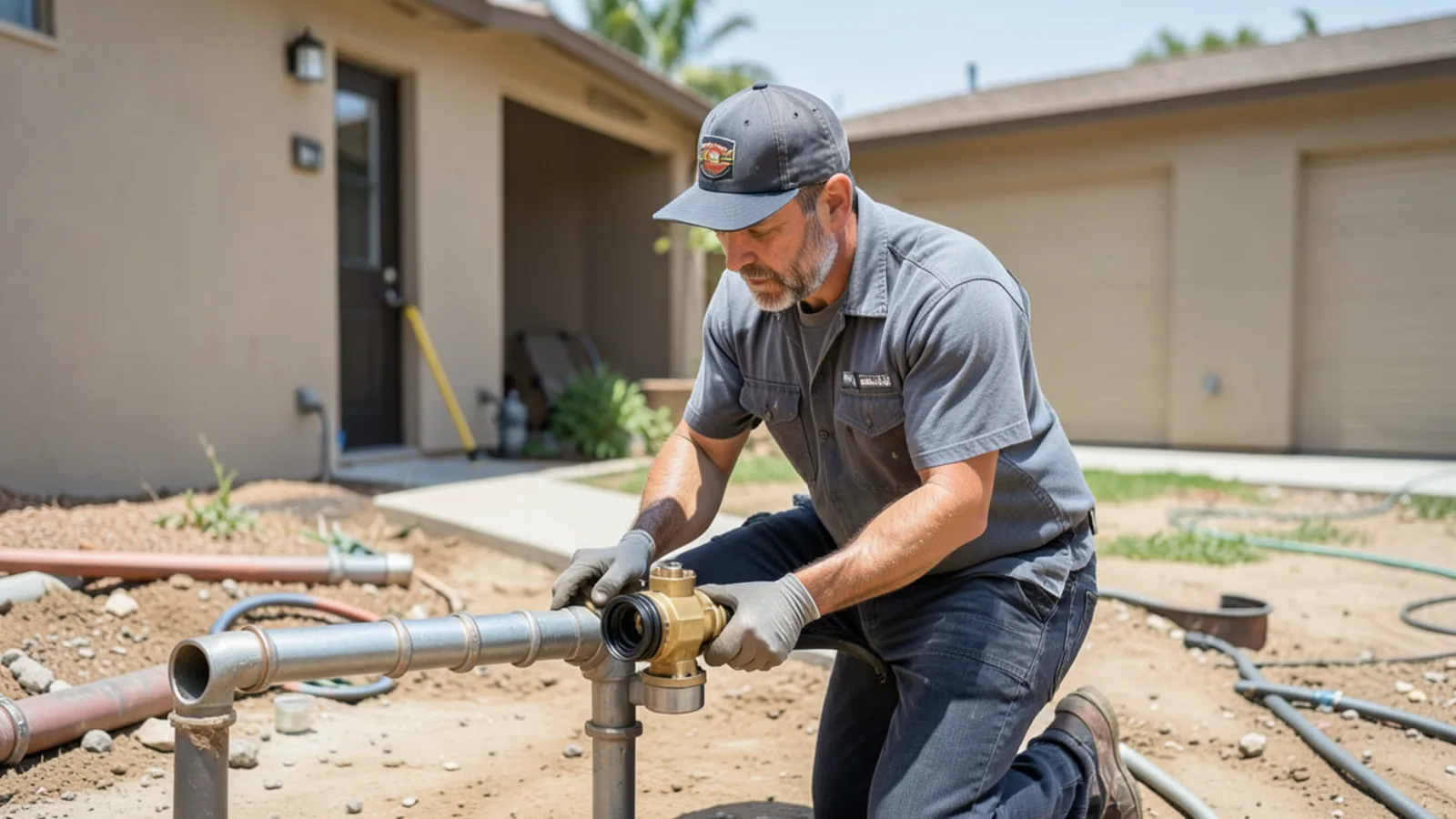
What our sewer camera inspection service includes
When chronic drain backups occur or when purchasing a property in Western Riverside County, our licensed technicians provide comprehensive optical diagnostics of your underground drainage system. Every camera scoping service includes: (1) Entry through an approved exterior ground-level sewer cleanout or roof vent stack; (2) High-definition full-color video inspection using a self-leveling optical camera head equipped with adjustable sapphire LED illumination; (3) Real-time digital footage counter displaying exact distance from the cleanout to the municipal sewer main; (4) Sub-surface electromagnetic mapping using an integrated 512Hz sonde transmitter and digital receiver wand to pinpoint pipe depth and alignment; (5) High-resolution still captures of root intrusion, cracked pipe walls, joint offsets, and line sags; (6) Complete USB or digital cloud video recording with audio narration; (7) Written diagnostic assessment and repair estimate.
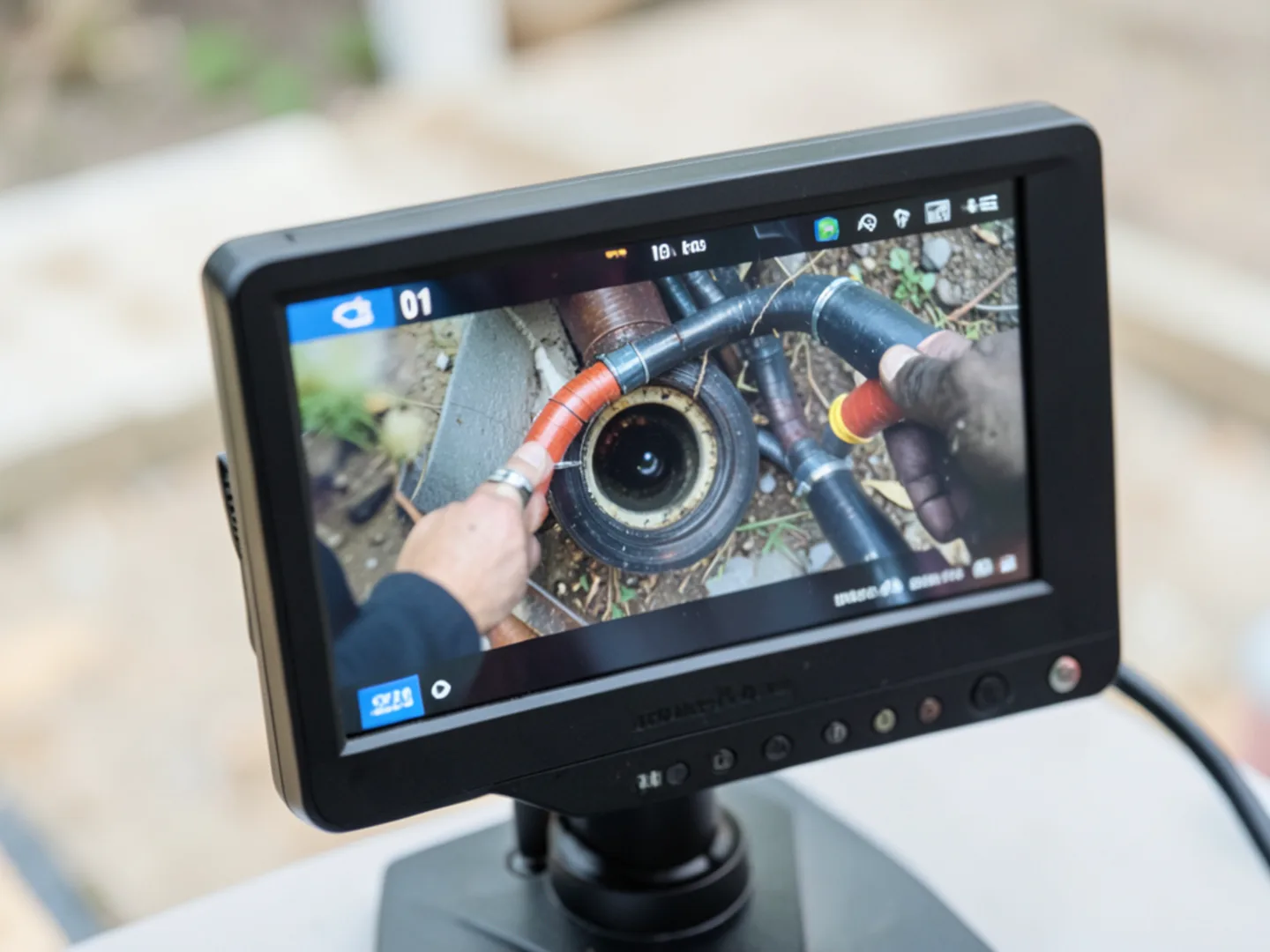
Situations when a sewer camera inspection is essential
Underground sewer laterals remain hidden beneath yards, driveways, and building slabs, making visual inspection impossible without specialized optical equipment. A sewer camera inspection is strongly recommended under several critical conditions: First is during residential real estate purchases across Corona and the Inland Empire. Standard home inspectors evaluate only visible plumbing fixtures and do not inspect underground pipes; our camera inspection protects buyers from inheriting five-figure sewer replacement expenses. Second is when facing recurring drain clogs: if multiple toilets gurgle or your washing machine backs up into floor drains repeatedly within a few months, a structural defect is present. Third is prior to scheduling hydro-jetting or trenchless pipe lining, ensuring the line integrity can withstand high pressures. Fourth is when mature trees, such as pepper trees or camphor trees in older neighborhoods, cause persistent root blockages.
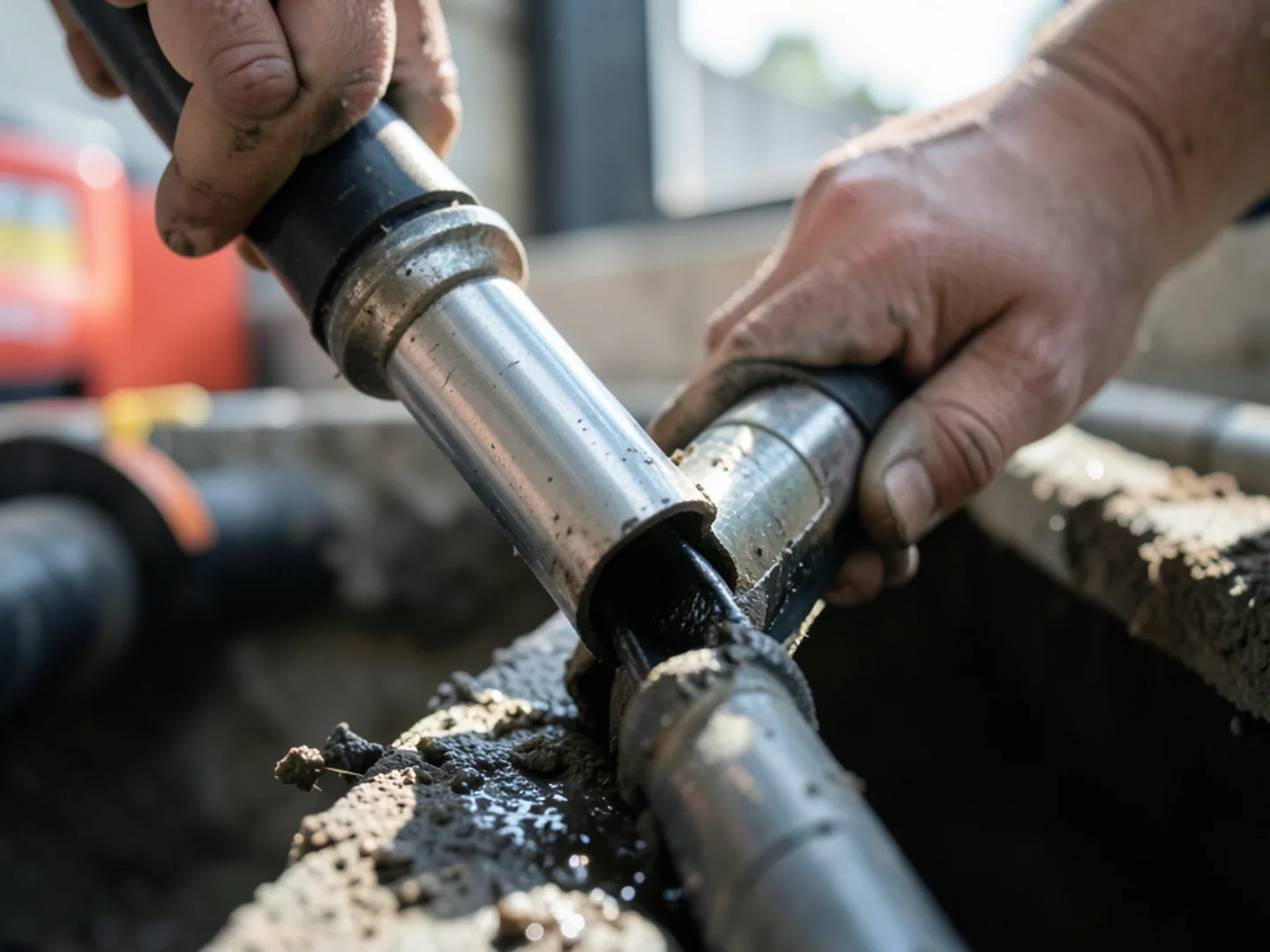
How digital sewer scoping technology works inside drainage lines
Our optical scoping procedure utilizes state-of-the-art diagnostic machinery engineered for commercial plumbing inspection. The technician inserts a high-resolution, self-leveling color camera head mounted on a 200-foot rigid fiberglass push cable directly into your main cleanout. As the camera advances down the lateral line toward the municipal connection beneath the street, the self-leveling gyroscope keeps the image upright, allowing you to clearly view the top, bottom, and side walls of the pipe on our high-contrast digital monitor. Powerful LED arrays illuminate the interior of four-inch and six-inch residential laterals, clearly revealing mineral encrustation, grease accumulation, cracked clay bells, rusted cast iron channeling, and invasive tree root webs.
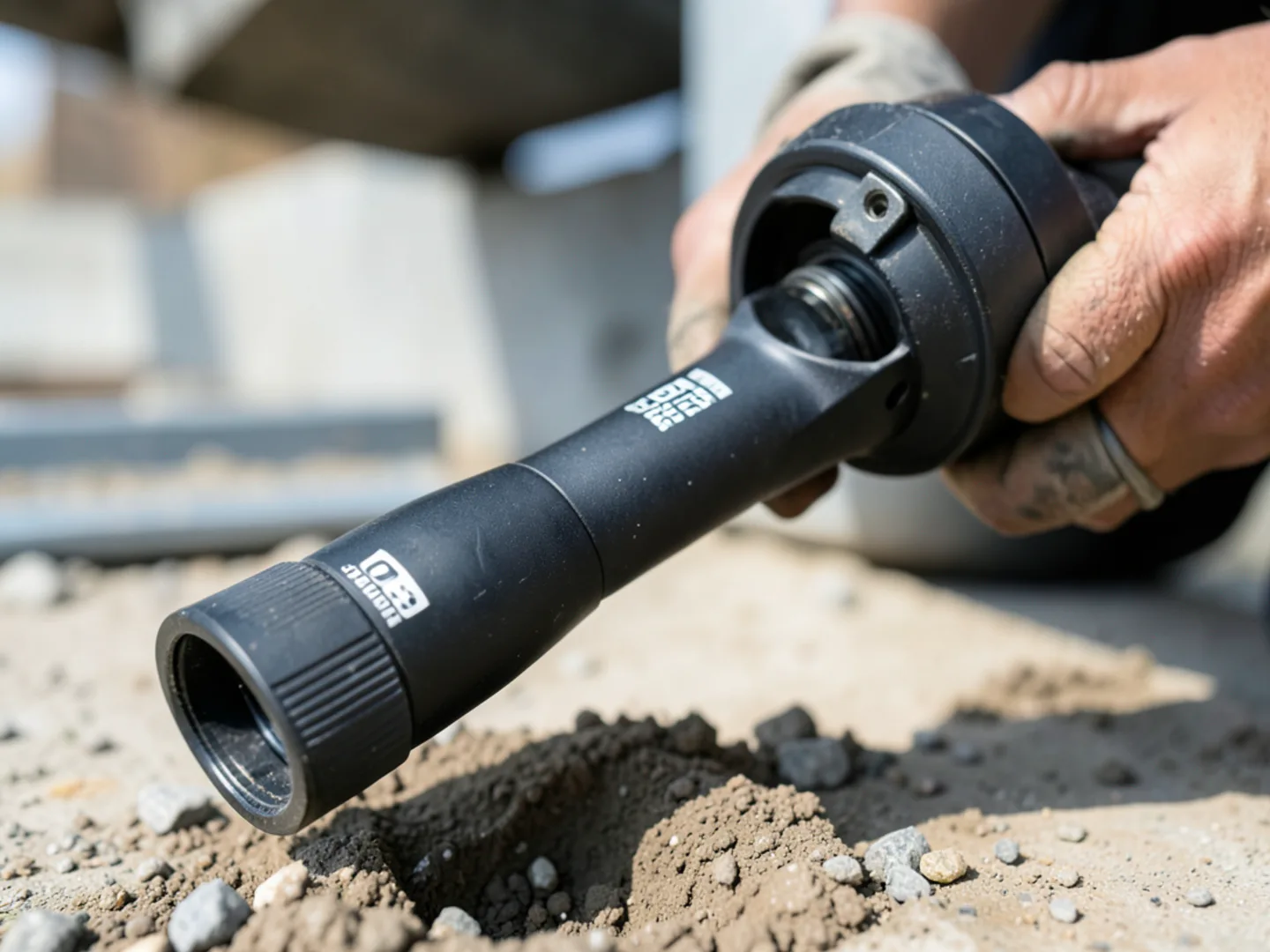
Underground depth and geographic mapping with 512Hz sondes
Discovering a broken sewer pipe is only half the battle; knowing its exact location and depth is critical to avoid destructive, blind digging across finished lawns or driveways. Our camera heads feature an integrated 512Hz electromagnetic sonde transmitter. While the camera remains focused directly on the pipe defect, our technician walks above ground with a digital locator wand. The receiver picks up the electromagnetic signal radiating from the pipe beneath the earth, calculating the exact geographic position and burial depth within two inches of accuracy. We mark the ground surface with high-visibility flags, identifying whether the failure lies two feet down in soft soil or six feet deep beneath a reinforced concrete driveway.
Common pipe defects revealed during Corona camera inspections
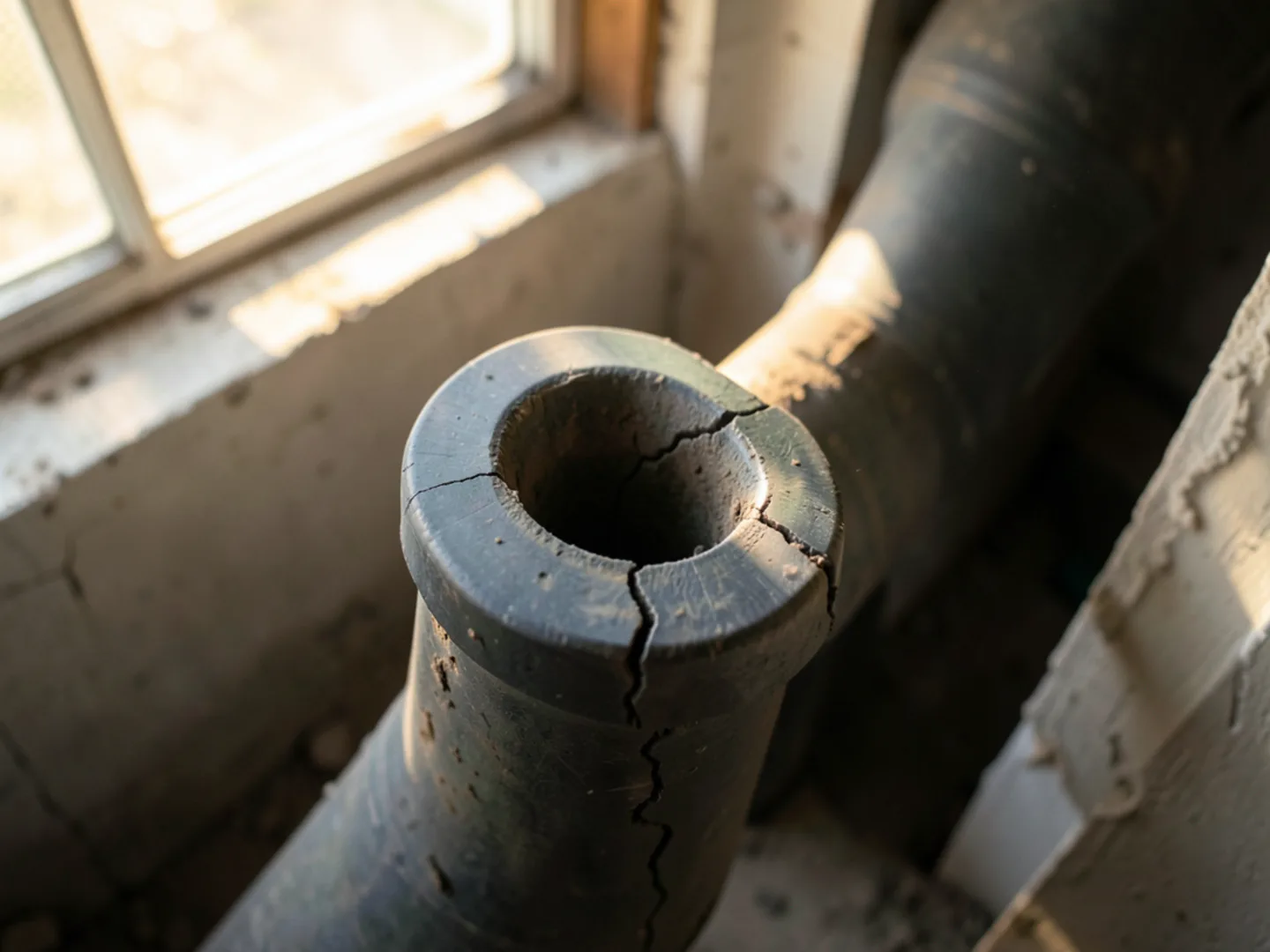
Corona diverse construction eras present distinctive pipe vulnerabilities that our optical cameras document daily. In homes built prior to 1970 near downtown Grand Boulevard, we frequently discover vitrified clay pipes with shifted joints and heavy root intrusion from mature landscaping. In 1960s and 1970s tracts, original cast iron lines often exhibit severe bottom scale and hydrogen sulfide erosion that catches toilet paper and creates chronic dams. In 1980s through 2000s master-planned developments in South Corona and Eagle Glen, ABS plastic lines are common; here, cameras regularly reveal pipe sags or bellies caused by soil settlement. A belly is a low dip where water pools permanently, slowing waste velocity and causing heavy solids to settle.
Client deliverables and written diagnostic inspection report
Following the camera inspection, our technician reviews the recorded video footage with you in real time on our mobile monitor, walking you through every finding in clear, plain language. We provide you with a digital copy of the complete video file, along with high-resolution photographic stills of any identified structural defects. If repairs are warranted, we provide an itemized written estimate detailing corrective options, whether localized spot excavation, hydro-jetting root clearing, or modern trenchless epoxy pipe relining. You receive documented proof that can be shared with real estate sellers, insurance adjusters, or warranty companies.
California plumbing standards and municipal inspection compliance
Residential drainage systems in Corona must comply with California Plumbing Code Chapter 7 standards. State code establishes strict requirements for drainage pipe sizing, minimum slope (at least one-quarter inch of fall per foot for lines up to three inches, and one-eighth inch per foot for four-inch laterals), cleanout access spacing, and approved transition couplings. When sewer repairs or cleanout additions are indicated by our camera findings, our C-36 licensed contractors obtain necessary permits from the City of Corona Building Division through the online eTRAKiT portal, ensuring that every subsequent repair satisfies municipal and state mandates.
Why choose Corona CA Plumbing for sewer camera diagnostics
Dispatched from our central workshop at 685 E Grand Blvd in Corona, our technicians carry commercial-grade sewer scoping rigs capable of inspecting lines up to 200 feet in length. We do not provide vague guesses or push unnecessary full-line replacements when a minor spot repair or hydro-jetting pass will resolve the issue. Our optical inspection provides visual proof, transparent findings, and honest evaluations backed by local Inland Empire drainage experience.
Need plumbing service in Corona or surrounding communities?
Our central dispatch is stationed on East Grand Boulevard. Whether you are dealing with an urgent leak in South Corona, need sewer diagnostics in Norco, or require water heater replacement in Eastvale, our licensed technicians arrive prepared with complete equipment rigs. Read more about our overall plumber in Corona CA services, or contact our shop at (207) 419-2600.