
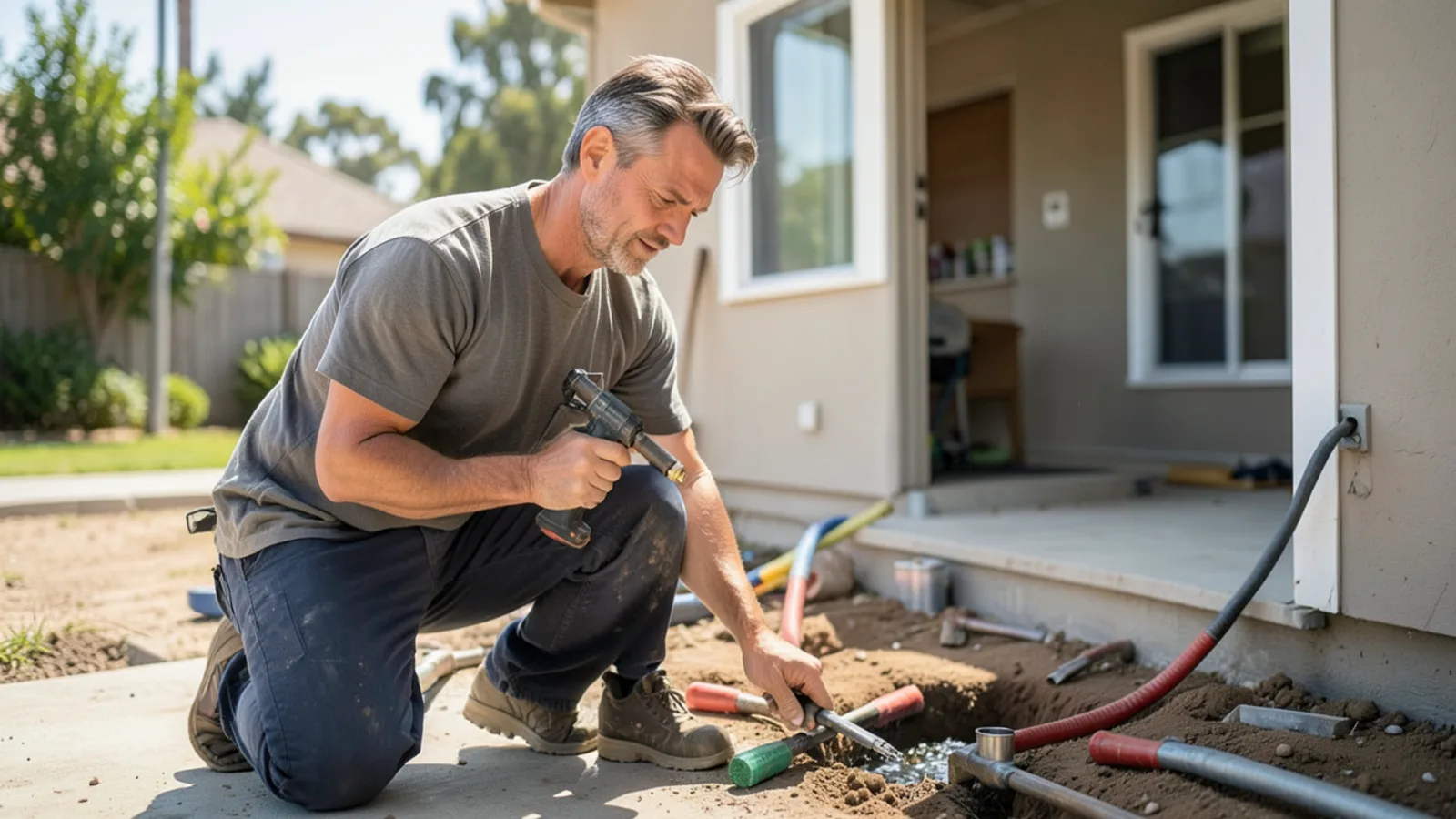
What our non-invasive leak detection service includes
Hidden plumbing leaks inside walls, under concrete foundations, or beneath front yards can quietly waste thousands of gallons of water while undermining your home's structural integrity. Dispatched from 685 E Grand Blvd, our licensed C-36 technicians locate concealed water line breaches without destructive exploratory demolition. Every leak detection appointment includes: (1) Baseline static water pressure testing and pressure decay monitoring; (2) Municipal water meter flow analysis to calculate hourly water loss volume; (3) Electro-acoustic listening using ultrasonic ground sensors to pinpoint subterranean escaping water; (4) High-definition infrared thermal camera imaging mapping moisture dispersion through drywall, plaster, and concrete; (5) Electromagnetic line tracing to map exact pipe depth and trajectory; (6) Segmental isolation of interior, irrigation, and pool supply circuits; (7) Surgical repair options, from localized press-fit copper repairs to complete overhead PEX-a bypass reroutes; (8) Itemized cause-of-loss reports and documentation for California homeowner insurance claims.
Signs of hidden plumbing leaks in Corona homes
Pressurized water leaks rarely start with a dramatic flood. In most Corona homes, they present subtle warning signals that worsen over several billing cycles: (1) Water Bill Inflation: An unexplained increase on your monthly City of Corona Department of Water and Power (DWP) bill without changes in household habits is the primary indicator of an underground or in-wall leak. (2) Continuously Spinning Meter Indicator: When all interior and exterior fixtures are closed, the low-flow indicator star or digital decimal on your curb meter box should be completely motionless. Continuous movement proves pressurized water is escaping. (3) Subsurface Hissing Sounds: Hearing a faint hissing or rushing sound behind bathroom walls, laundry rooms, or water heater enclosures when no fixtures are operating. (4) Localized Thermal Anomalies: Feeling warm or hot spots under tile, luxury vinyl plank, or carpeted flooring indicates a ruptured hot water copper supply line buried in the foundation slab. (5) Surface Moisture and Efflorescence: Warped baseboards, peeling paint, blistered drywall, or white chalky mineral crusts (efflorescence) blooming along exterior foundation stem walls.
Why water pipes develop leaks in Corona and the Inland Empire
Residential water systems in Corona experience intense mechanical and chemical stresses that trigger premature pipe failures: First, expansive clay soils prevalent across western Riverside County expand significantly during wet winter storms and shrink during scorching summer heat waves. This cyclic ground shifting causes differential movement across concrete slab foundations, placing severe shear stress on rigid subterranean copper piping. Second, municipal water delivery pressures frequently exceed 90 to 120 PSI in foothill developments like Sierra del Oro, Corona Hills, and South Corona. When domestic pressure reducing valves (PRVs) fail, these high static pressures accelerate wear on thin-wall copper joints. Third, older homes constructed in the 1980s and 1990s were plumbed with thin-wall Type M copper. Chemical disinfectants, chloramines, and dissolved minerals in municipal water produce pitting corrosion on interior pipe walls over decades, resulting in microscopic pinhole leaks that weep continuously into wall cavities.
Our non-invasive electronic diagnostic methodology
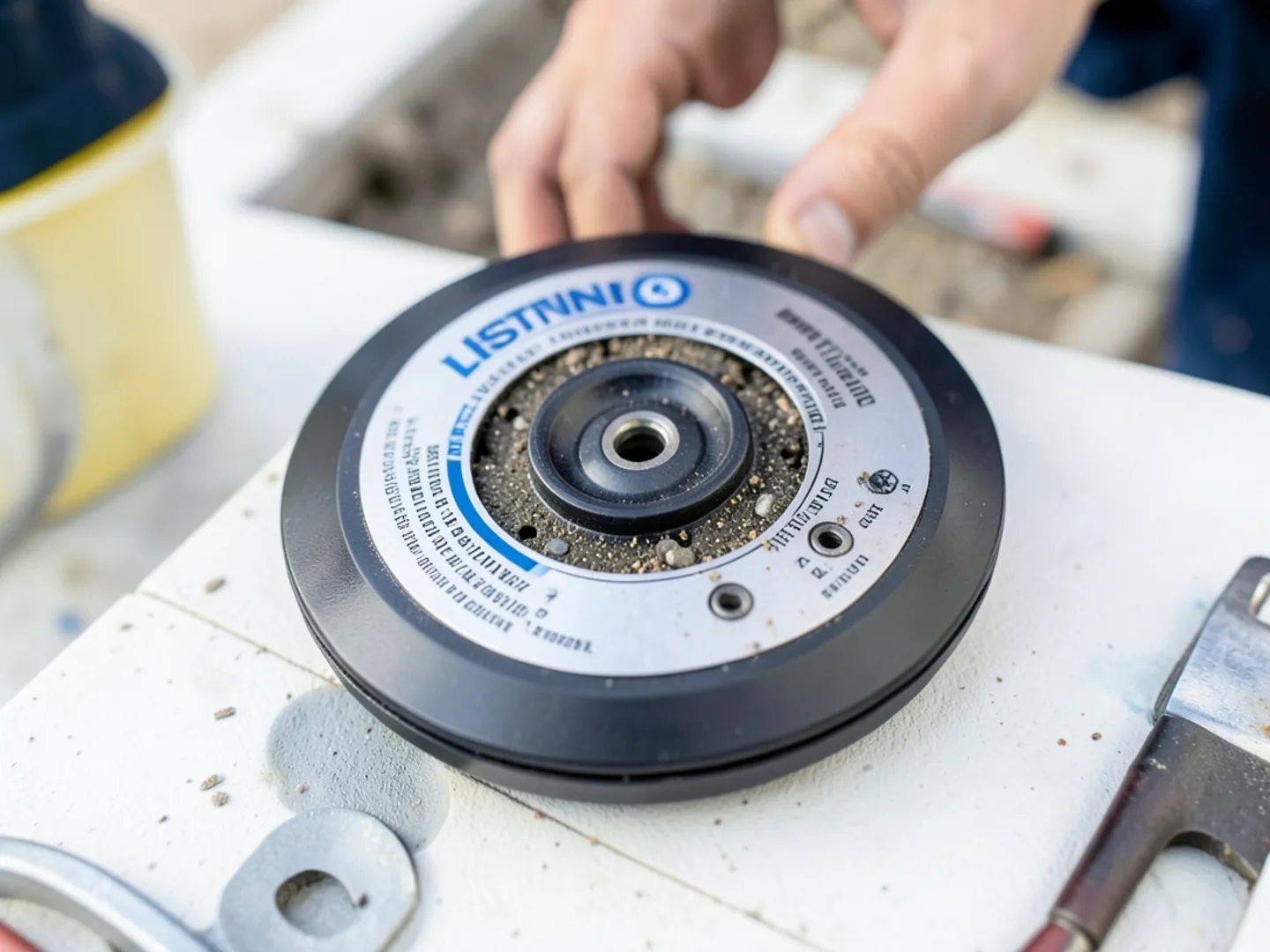
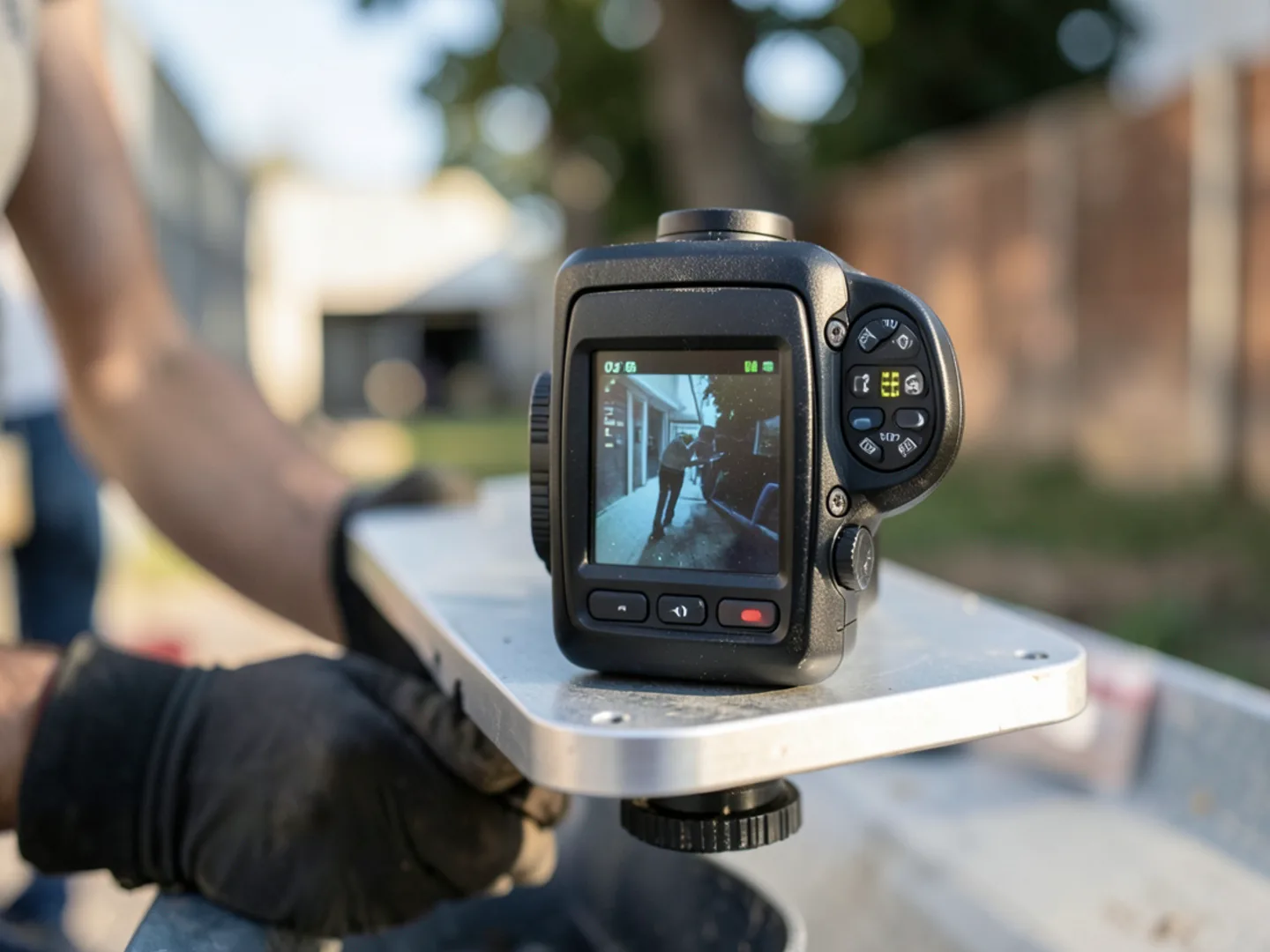
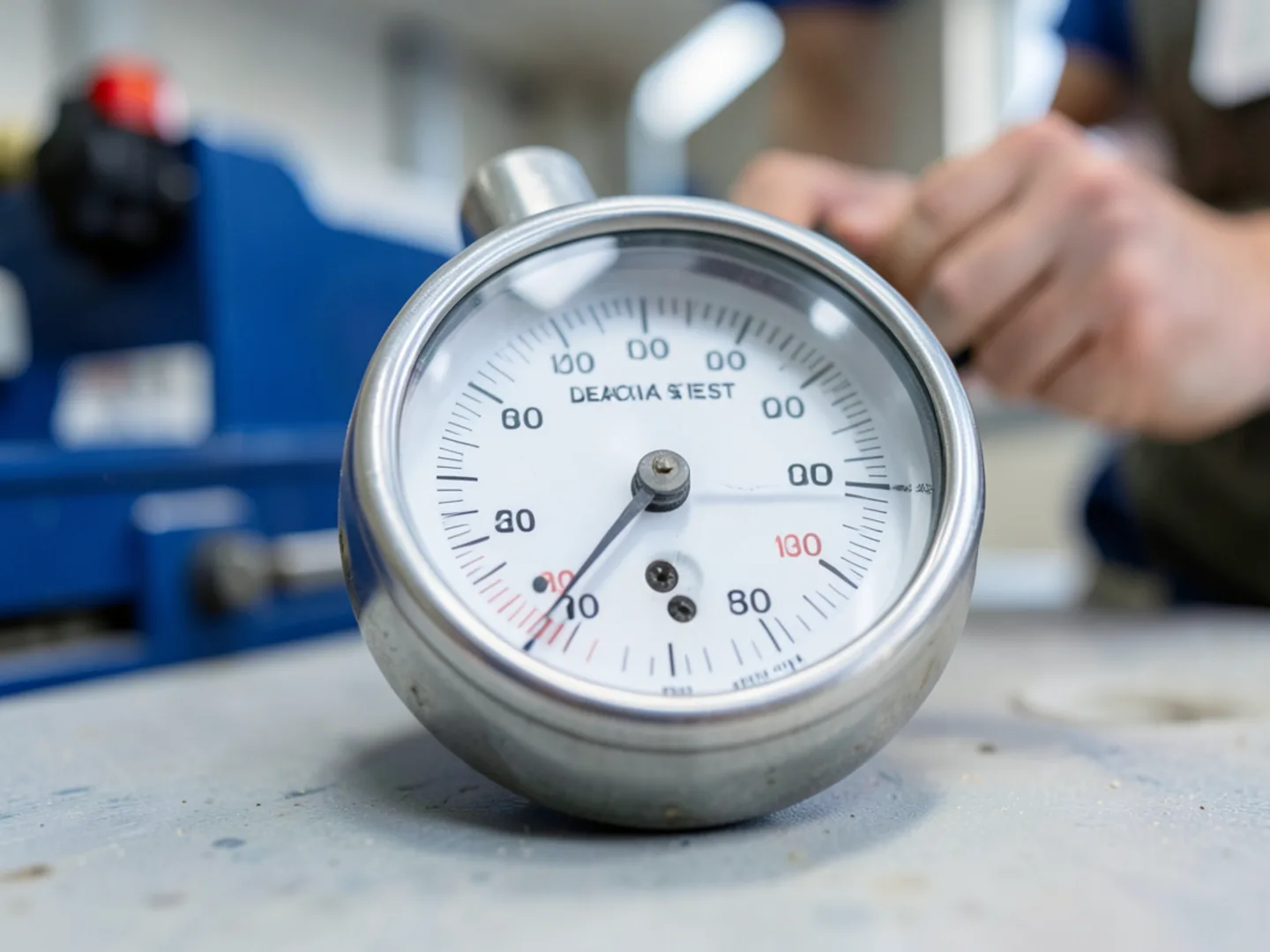
We never tear through drywall or break concrete floors based on guesswork. Our certified technicians follow an orderly four-stage electronic diagnostic protocol: Step 1: Pressure Decay Isolation. We connect calibrated digital test gauges to an exterior hose bib, isolate the main water supply, and observe pressure drop to verify an active leak. We then isolate individual zones (water heater, irrigation manifold, softeners) to identify the specific leaking circuit. Step 2: Electro-Acoustic Ground Listening. Pressurized water escaping through a pinhole fissure generates high-frequency acoustic vibrations (typically between 500 Hz and 2,500 Hz). Our technicians deploy acoustic ground microphones and contact rods to amplify these sounds through noise-canceling headphones, pinpointing the peak acoustic amplitude. Step 3: Infrared Thermal Imaging. We scan interior surfaces with high-resolution FLIR infrared cameras. Because leaking hot water creates a distinct thermal bloom and evaporating cold water produces a localized cool zone, thermal patterns reveal the exact moisture footprint hidden behind drywall or under tile. Step 4: Electronic Line Tracing. Using digital induction transmitters and receivers, we trace the underground pipe path to confirm exact burial depth and orientation before performing any repair.
Evaluating repair options: surgical spot repair versus overhead reroute
Once a concealed leak is pinpointed to a specific square foot, our technicians present the least invasive, code-compliant repair solution: For accessible leaks located inside drywall partitions or exterior framing, we make a neat surgical cutout, cut out the pitted copper section, and install Type L copper using flame-free Viega ProPress fittings or Uponor PEX-a expansion couplings. However, for leaks embedded deep inside concrete foundation slabs, jackhammering through finished tile or hardwood flooring is often destructive and costly. In addition, when one section of under-slab copper develops a pinhole, the rest of the subterranean line is often equally thin. In these situations, we recommend an overhead bypass reroute: we abandon the leaking pipe beneath the concrete and install a continuous flexible PEX-a line through attic framing or drop ceilings, restoring pressurized water without breaking a single foundation tile.
Insurance documentation and cause of loss reporting
Water damage claims in California require thorough documentation to secure insurance coverage. Most homeowners insurance policies cover the cost of locating the leak, the exploratory access tear-out, and the restoration of water-damaged walls and flooring. Our technicians prepare comprehensive diagnostic packages for your claims adjuster: we document static house pressure, photograph thermal imaging moisture plumes, measure drywall moisture content with digital meters, and capture high-resolution photos of the failed pipe section, providing clear evidence that the loss was sudden and accidental.
California plumbing code standards and Corona permit requirements
All water service repairs and domestic repiping in Corona must conform to California Plumbing Code (CPC) Title 24 Part 5, Chapter 6 regulations. CPC Section 608.2 mandates that whenever municipal water supply pressure exceeds 80 PSI, an approved pressure reducing valve with a strainer must be installed to protect domestic plumbing. When executing overhead bypass reroutes or major line replacements, our licensed C-36 contractors pull required permits through the City of Corona eTRAKiT portal. We ensure all pipe sizing, support spacing, and dielectric separation meet California standards and schedule municipal inspections for final signoff.
Commercial diagnostic equipment carried on our mobile service fleet
Pinpointing microscopic leaks through two feet of earth or six inches of reinforced concrete requires commercial-grade instrumentation. Our mobile service trucks dispatched from 685 E Grand Blvd carry electro-acoustic listening systems equipped with wind-shielded ground discs, FLIR high-resolution thermal imaging cameras, Ridgid SeekTech SR-20 electromagnetic pipe locators, and non-invasive digital moisture meters. Having these advanced tools on board allows our technicians to pinpoint concealed leaks with surgical accuracy, protecting your flooring and home structure.
Need plumbing service in Corona or surrounding communities?
Our central dispatch is stationed on East Grand Boulevard. Whether you are dealing with an urgent leak in South Corona, need sewer diagnostics in Norco, or require water heater replacement in Eastvale, our licensed technicians arrive prepared with complete equipment rigs. Read more about our overall plumber in Corona CA services, or contact our shop at (207) 419-2600.