
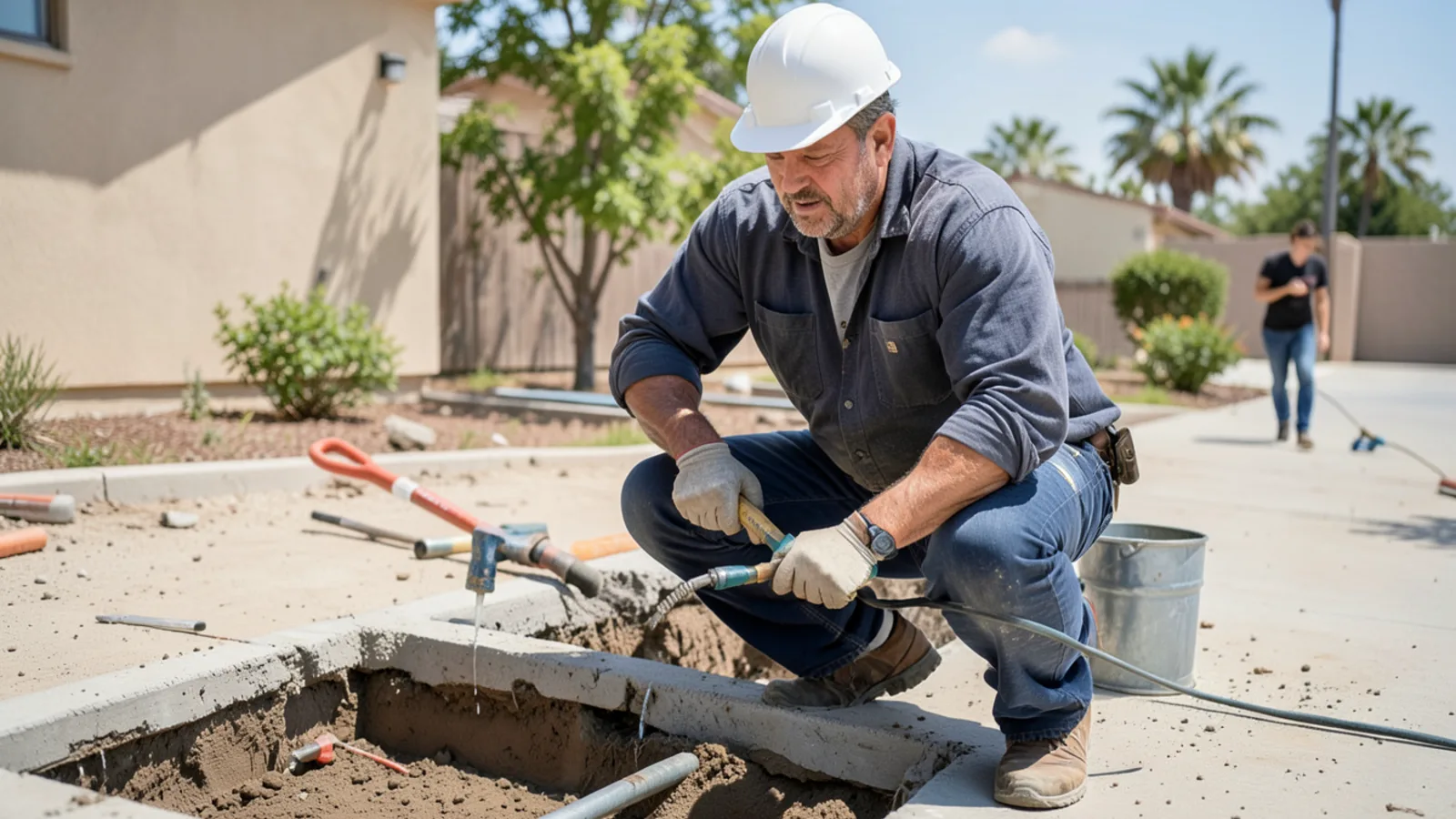
What our slab leak detection and repair service includes
A slab leak occurs when a pressurized domestic water supply line embedded within or beneath your concrete foundation ruptures. Operating from 685 E Grand Blvd, our licensed C-36 plumbing contractors provide non-destructive electronic detection, overhead bypass rerouting, and localized repairs across Corona. Every slab leak service call includes: (1) Pressure decay testing across isolated hot and cold domestic water loops; (2) Non-destructive electro-acoustic listening survey using ground microphones; (3) High-resolution FLIR infrared thermal imaging to trace sub-floor thermal plumes; (4) Nitrogen tracer gas testing for ultra-quiet low-pressure pinholes; (5) Overhead attic PEX-a bypass reroutes utilizing Uponor ProPEX expansion fittings; (6) Direct concrete slab excavation and brazed Type L copper repairs where rerouting is structurally impractical; (7) Insurance-ready claim documentation package detailing cause of loss and physical tear-out; (8) City of Corona eTRAKiT plumbing permit processing and municipal inspection sign-off.
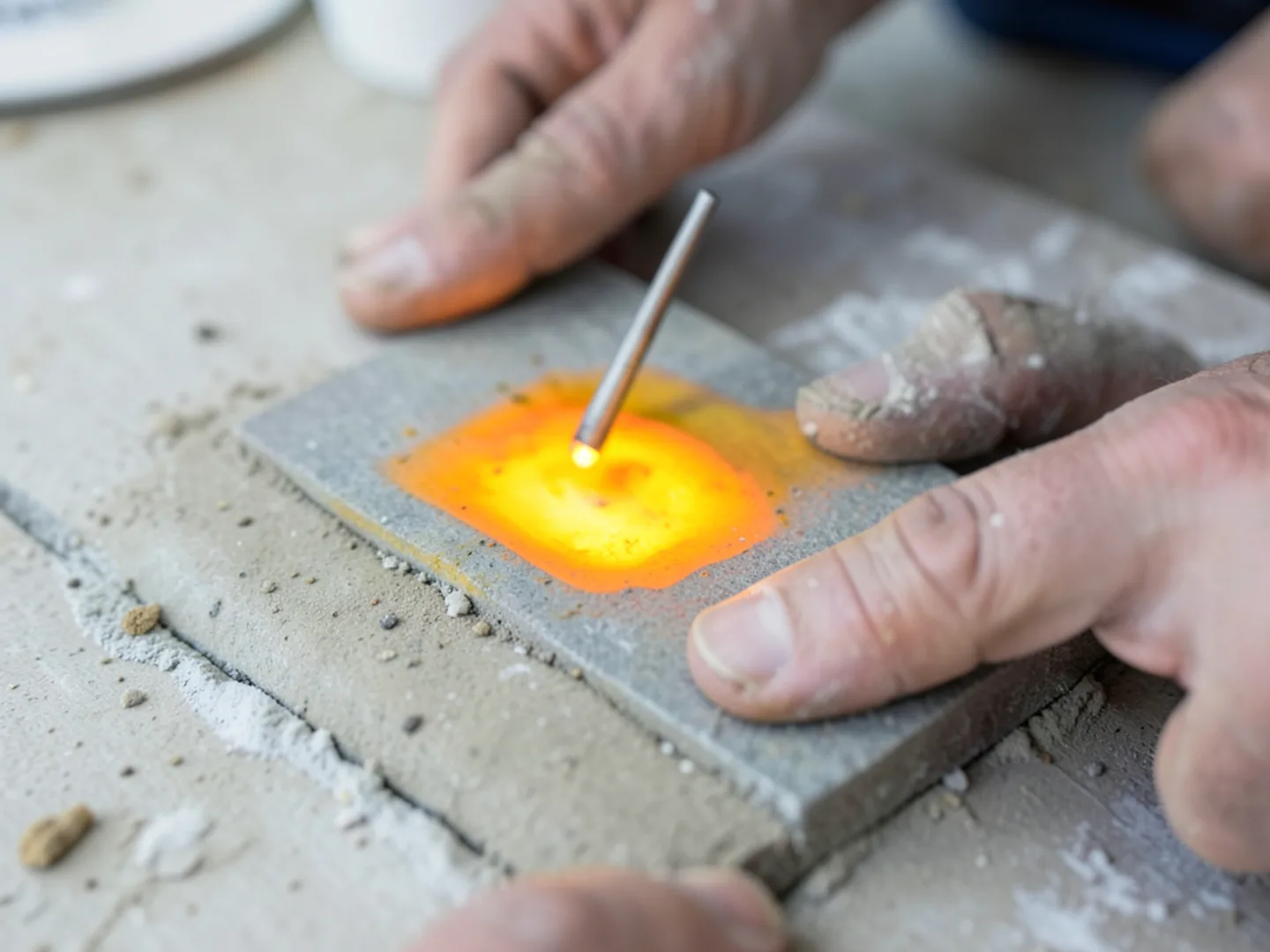
Warning signs of a foundation slab leak in Corona homes
Because pressurized supply lines are encased beneath 4 to 6 inches of concrete and finished floor coverings, slab leaks exhibit distinct physical symptoms: First, an isolated warm or hot area on ground-floor tile, laminate, or carpet indicates a ruptured subterranean hot water line. Second, a continuous hissing or rushing water sound audible near baseboards when all household fixtures are shut off. Third, an unexplained spike on your monthly Corona DWP water statement or an automated continuous flow alert from your AMI smart meter. Fourth, damp carpet tack strips, dark grout discoloration, or warped baseboards along interior walls. Fifth, an unexpected drop in domestic shower water temperature as hot water constantly escapes beneath the slab into sub-base soils.
Why 1980s to 2000s Corona subdivisions suffer frequent slab leaks
Nearly all residential subdivisions constructed across Corona—including South Corona, Eagle Glen, Corona Hills, and Sierra del Oro between 1980 and 2005—were built on monolithic post-tensioned concrete slab-on-grade foundations. During original construction, plumbers laid thin-wall soft Type M copper tubing directly on graded sub-base sand and crushed rock before pouring concrete. Over twenty to forty years, three destructive mechanisms trigger pinholes: (1) Soil Friction: Expansive clay soils shift dynamically with seasonal rainfall, creating continuous abrasive friction between jagged gravel and thin copper walls. (2) Thermal Cycling: Daily expansion and contraction of hot water lines rubs the soft copper against rigid concrete aggregate. (3) Aggressive Water Chemistry: Corona municipal tap water contains 12 to 22 grains per gallon of dissolved minerals and residual chloramines, accelerating pitting corrosion from the inside out.
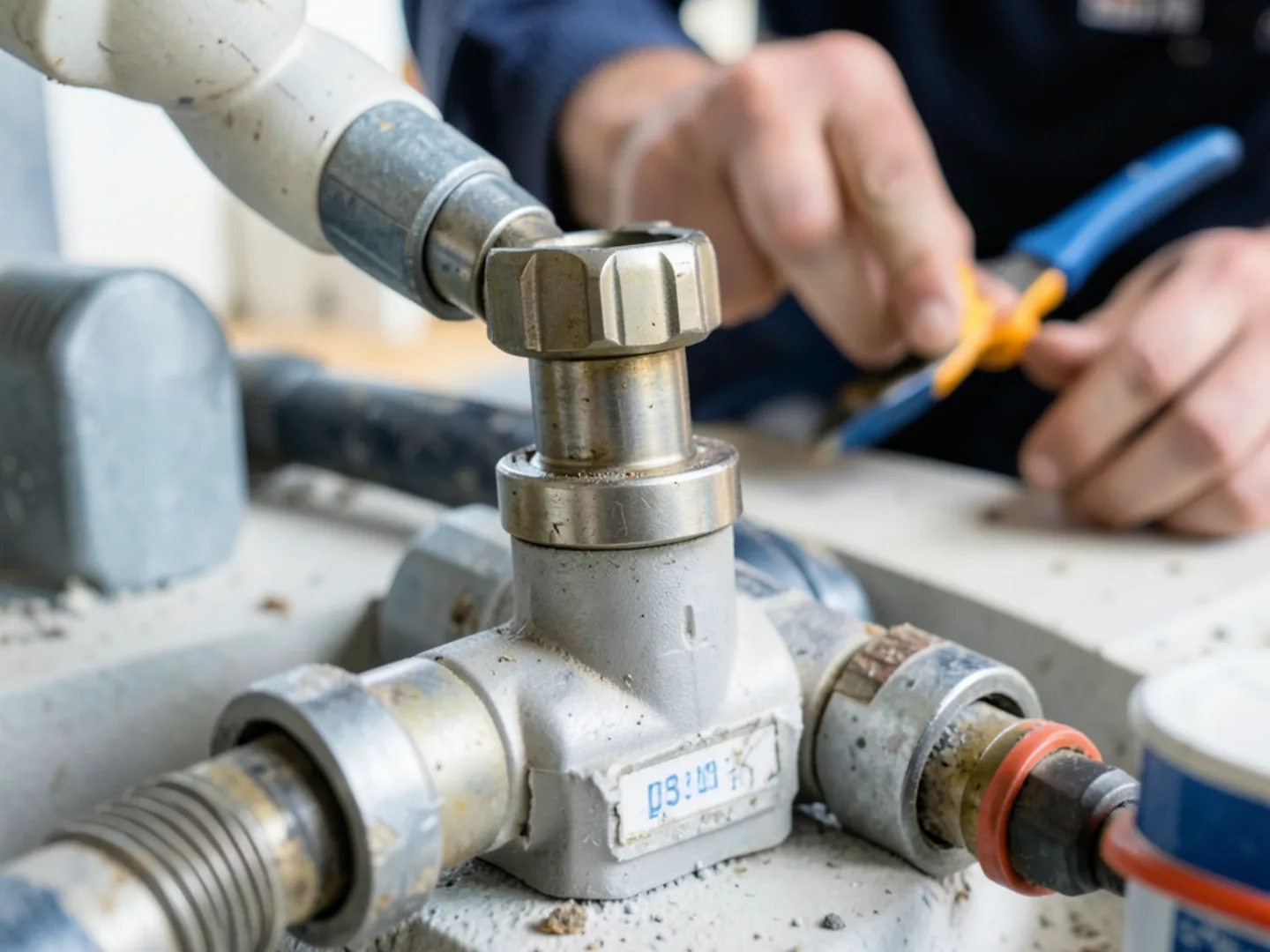
Non-destructive electronic pinpointing methodology
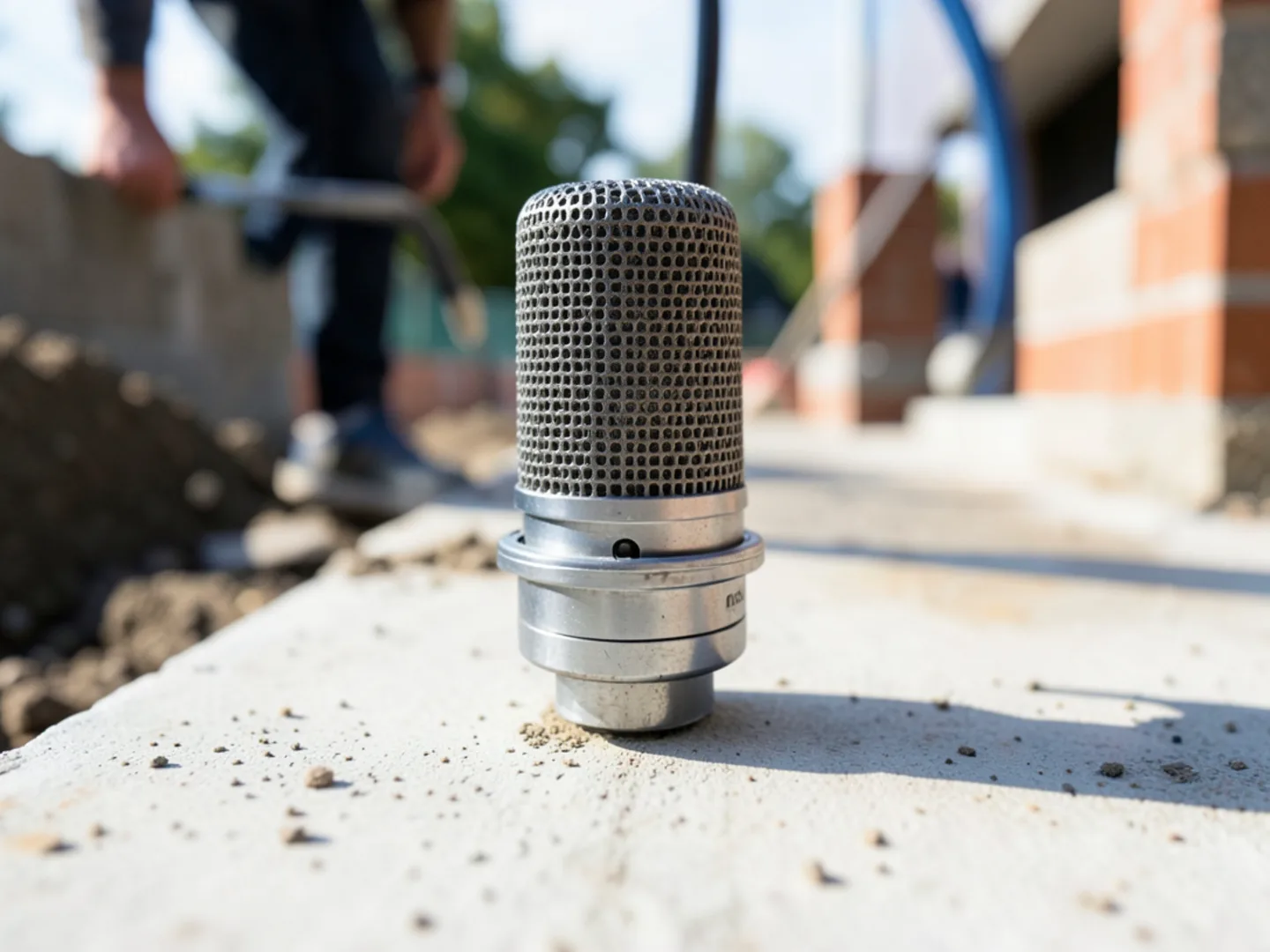
We never randomly jackhammer finished flooring hoping to find a leak. Our diagnostic technicians deploy advanced non-destructive mapping technology to pinpoint the exact failure coordinate to a 12-inch radius: (1) Electro-Acoustic Ground Microphones: Using specialized listening sensors (SubSurface and Sewerin), we capture the specific acoustic frequency produced by pressurized water escaping a pipe aperture beneath concrete. (2) High-Resolution Infrared Thermal Imaging: FLIR thermal cameras detect subtle surface temperature differentials on concrete floors, mapping the hot water thermal plume blooming through tile or hardwood. (3) Tracer Gas Diagnostics: For micro-fissures too small or deep to generate audible noise, we evacuate the line, charge the pipe with non-toxic nitrogen-hydrogen tracer gas, and use electronic sniffer probes to detect gas molecules escaping through concrete pores.
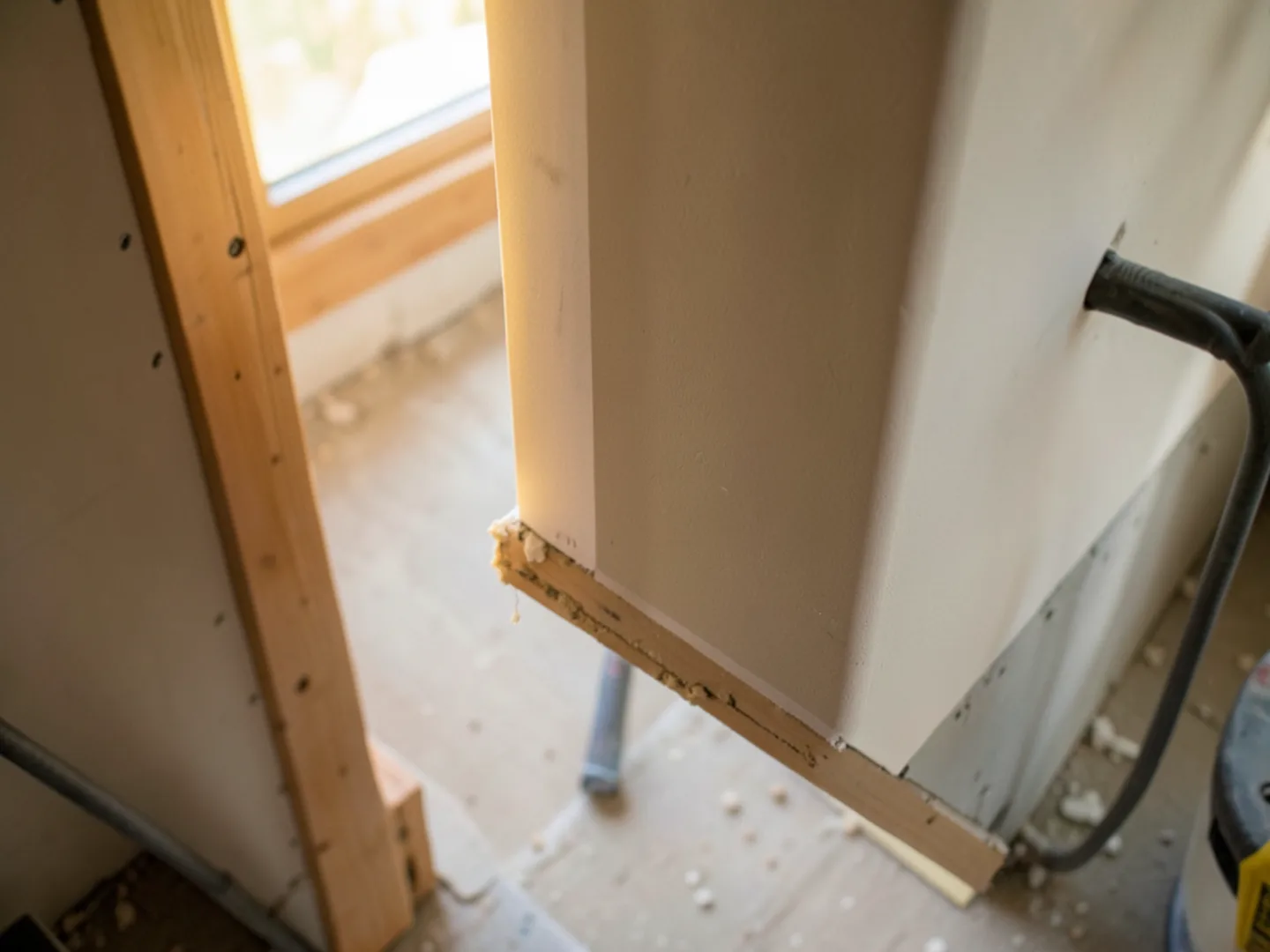
Overhead PEX-a bypass reroute versus direct slab access
Once the leak location is confirmed, homeowners evaluate two distinct repair methodologies: (1) Overhead PEX-a Bypass Reroute (Recommended in over 90% of cases): We permanently abandon the defective copper pipe beneath the concrete. Our technicians install a continuous Uponor ProPEX PEX-a supply line routed through interior wall cavities and attic insulation, dropping down directly to feed fixtures. Rerouting eliminates the need to jackhammer expensive flooring, avoids sub-slab concrete dust, and permanently protects the home from future leaks on that line. (2) Direct Slab Jackhammering Spot Repair: If an overhead reroute is structurally impossible (such as in two-story homes with no access between floors), our crew cuts a localized access window through the concrete slab, exposes the damaged copper, cuts out the corroded section, and brazes a heavy-wall Type L copper replacement using 15% silver alloy solder.
Our five-step slab leak diagnostic and restoration workflow
To deliver rapid property stabilization and permanent repair, our team follows a five-step engineering workflow: Step 1: Pressure Decay Isolation. We connect digital test gauges to the water system to verify whether the leak is on the cold or hot supply manifold. Step 2: Acoustic and Thermal Localization. We deploy ground sensors and infrared cameras to trace the line path and identify the exact leak coordinate. Step 3: Mechanical Bypass Installation. We fish continuous Uponor PEX-a piping through attic joists and wall studs, avoiding structural framing cuts, and connect to existing fixture supplies. Step 4: Hydrostatic Hold Testing. We pressurize the new supply loop to 100 PSI to confirm complete joint integrity before sealing walls. Step 5: Drywall Restoration and Insurance Documentation. We repair wall openings, provide photographic evidence of the pipe failure, and issue comprehensive documentation for insurance claim reimbursement.
California homeowners insurance claim documentation
Most California homeowners insurance policies cover the cost of electronic leak detection, exploratory access (cutting drywall or flooring to locate the leak), and repairing resultant water damage to baseboards, cabinets, and flooring. However, the physical plumbing pipe repair itself is typically considered regular homeowner maintenance. Our office provides a detailed insurance documentation package—including technician diagnostic field notes, acoustic mapping coordinates, photographic evidence of moisture readings, and itemized tear-out invoices—to streamline claim approvals with your insurance carrier.
Permitting standards and City of Corona building codes
Altering domestic water distribution piping or rerouting pressurized water lines through attic assemblies requires a building permit from the City of Corona Community Development Department. Our licensed plumbing staff handles the eTRAKiT permit application, coordinates required on-site inspections with municipal building officials, and verifies that all PEX-a attic piping includes proper thermal insulation and seismic strapping per California Plumbing Code Chapter 6.
Commercial diagnostic equipment deployed from our Grand Boulevard shop
Operating from 685 E Grand Blvd, our service vehicles arrive on-site fully equipped to handle complex foundation leaks without exploratory guesswork. Our field equipment includes SubSurface electro-acoustic ground microphones with frequency filters, FLIR high-resolution thermal imaging cameras, Ridgid transmitter sondes for pipe tracing, and nitrogen pressure decay test rigs. In addition, our mobile inventory carries Uponor ProPEX Milwaukee M12 and M18 expansion tools, lead-free brass transition adapters, rolls of 1/2-inch and 3/4-inch Uponor PEX-a piping, and closed-cell polyethylene pipe insulation to complete bypass reroutes efficiently on the initial service visit.
Need plumbing service in Corona or surrounding communities?
Our central dispatch is stationed on East Grand Boulevard. Whether you are dealing with an urgent leak in South Corona, need sewer diagnostics in Norco, or require water heater replacement in Eastvale, our licensed technicians arrive prepared with complete equipment rigs. Read more about our overall plumber in Corona CA services, or contact our shop at (207) 419-2600.