Corona & Inland Empire Plumbing Dispatch: 685 E Grand Blvd
Educational Technical Library

Plumbing guides for Corona homeowners

Written from our field experience diagnosing slab leaks, descaling water heaters, and replacing sewer laterals across Western Riverside County.

Technical plumbing knowledge for Inland Empire property owners

Residential plumbing systems in Corona, Norco, Eastvale, and the surrounding Inland Empire face distinct regional operating pressures. High mineral content delivered through the City of Corona Department of Water and Power and regional water authorities subjects copper piping, water heaters, and brass fixture cartridges to accelerated mineral scale deposits. Concurrently, shifting alluvial clay soils and expansive foothill terrain place continuous physical stress on underground sewer lines and un-sleeved copper water lines buried underneath slab-on-grade concrete foundations.

Our educational library provides clear, practical diagnostic insights to help local property owners understand how residential plumbing operates, identify subtle warning signs of hidden piping failures, evaluate repair methods such as PEX-a repiping versus epoxy lining, and navigate California Plumbing Code Title 24 safety requirements. Whether managing an urgent water line break or planning long-term plumbing improvements, these guides explain what happens behind your walls and beneath your floors.

Featured technical guides and diagnostic articles

In-depth guides covering leak detection, water treatment, seismic water heater requirements, and municipal drain maintenance.

Frequently asked questions about Corona plumbing

Common questions regarding local water quality, residential codes, and when to seek emergency plumbing assistance.

Why are plumbing problems in Corona different from coastal California cities?

Corona and Western Riverside County experience extreme municipal water hardness measuring between 14 and 22 grains per gallon, sourced from groundwater blending and the Colorado River Aqueduct. Additionally, local homes built on slab foundations between the 1970s and 1990s feature un-sleeved Type M copper lines placed directly in aggressive alluvial soils. The combination of abrasive mineral scaling and soil friction causes high rates of under-slab pinhole leaks and water heater calcification compared to coastal cities with softer water and different foundation construction.

When should a homeowner attempt DIY troubleshooting versus calling a licensed plumber?

Homeowners can safely tackle basic preventative maintenance, such as clearing hair from bathroom sink pop-up stoppers, clearing mineral deposits from showerheads with white vinegar, and resetting garbage disposal overload buttons with a 1/4-inch hex key. However, issues involving pressurized water lines, hidden slab dampness, gas odors, sewer lateral blockages, or water heater temperature-pressure relief valves demand professional diagnostic equipment, specialized licensing, and California Plumbing Code Title 24 compliance.

Do water heater replacements and repipes require city building permits in Corona?

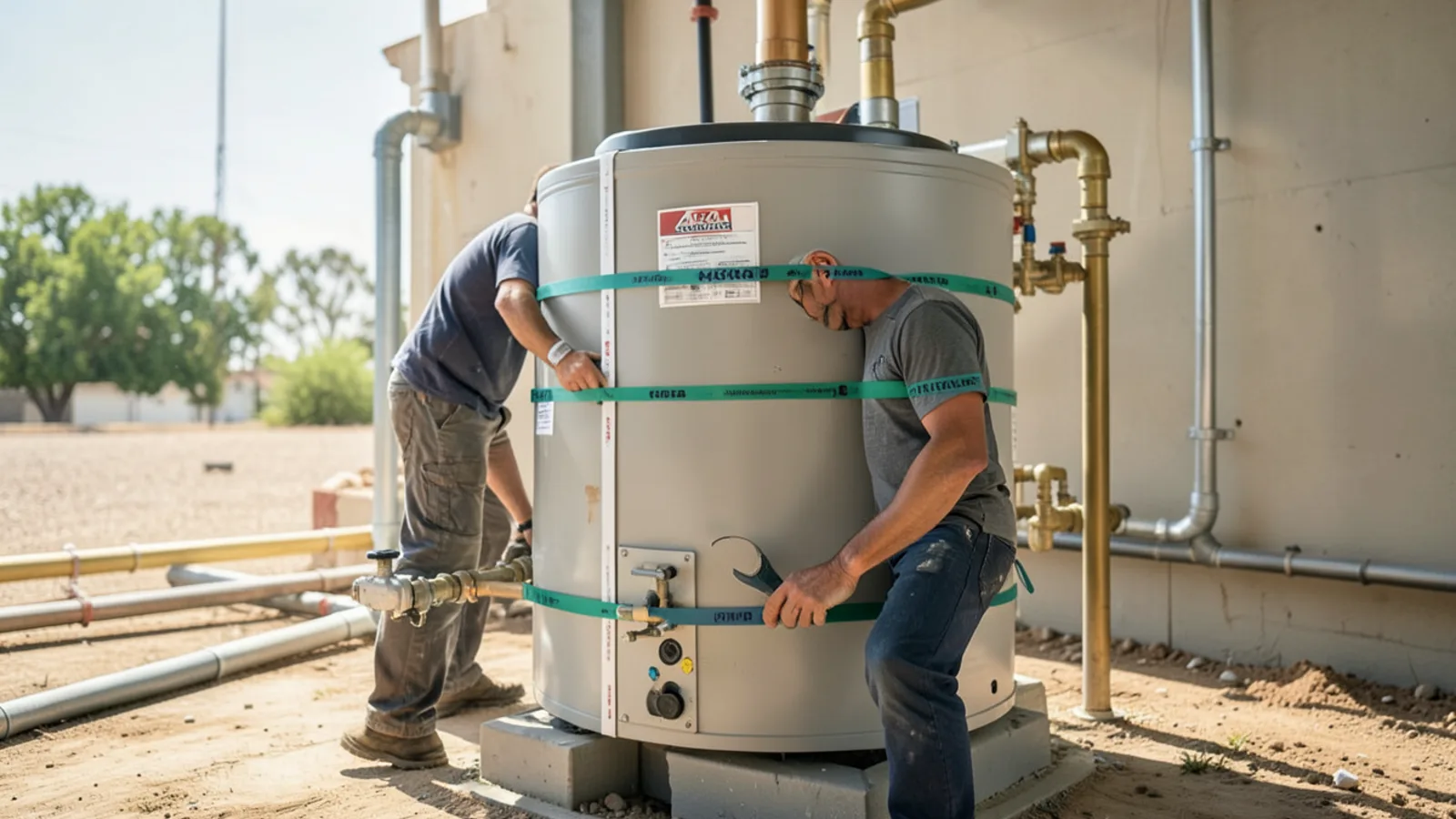
Yes. The City of Corona Community Development Department requires building permits and official city inspections for all water heater installations, gas line alterations, whole-house repiping projects, and sewer lateral replacements. Code standards mandate double metal seismic strapping, thermal expansion tanks, and temperature-pressure relief valve discharge lines routed to the building exterior. Professional contractors file these permits directly to ensure legal compliance and homeowner safety.

What immediate steps should I take if a pipe bursts inside my Corona home?

Immediately isolate the primary water source. Locate your main whole-house brass ball valve on the exterior front riser near your hose bib or in your garage, and turn the lever ninety degrees until it is perpendicular to the pipe. If the valve is seized, use a water meter key at the street curb box to rotate the brass meter valve clockwise a quarter turn. Open the lowest exterior garden hose spigot to depressurize the plumbing lines, and call our emergency dispatch team at (207) 419-2600.

Have questions about a plumbing issue in your home?

Call our service desk at (207) 419-2600. Direct technician dispatch from 685 E Grand Blvd, Corona.

Call (207) 419-2600
Local Corona Shop: 685 E Grand Blvd
Call Plumber: (207) 419-2600