What our water softener installation service includes
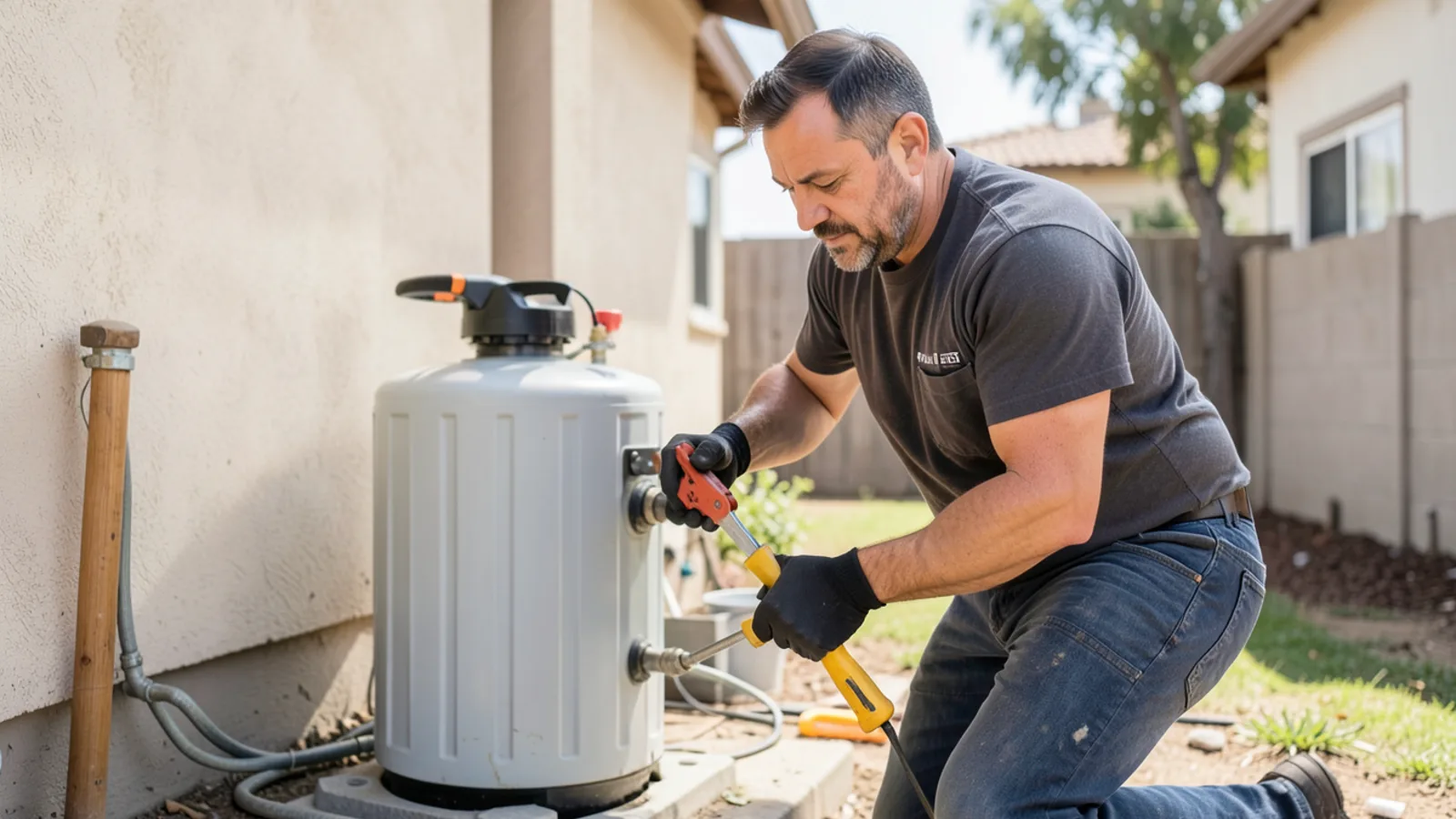
When municipal hard water damages your appliances and coats fixtures with chalky mineral scale, our licensed plumbers install high-efficiency, demand-initiated ion-exchange softening systems engineered for local Inland Empire water chemistry. Every turnkey installation includes: (1) On-site digital titrating water hardness testing to measure exact grains per gallon; (2) Mechanical installation of a dedicated copper or PEX water softener loop with a three-valve bypass manifold; (3) High-capacity 10 percent cross-linked commercial-grade ion-exchange resin tank and heavy-duty brine storage tank; (4) Solid brass or reinforced Noryl digital metered control valve configured for demand-initiated regeneration; (5) Code-compliant indirect air gap waste discharge piping connected to an approved sanitary drain; (6) Complete isolation of exterior hose bibs and landscape irrigation to prevent salt waste on turf and citrus trees; (7) City of Corona eTRAKiT permit filing, initial 200-pound salt delivery, and homeowner programming calibration.
The real impact of hard water on Corona homes
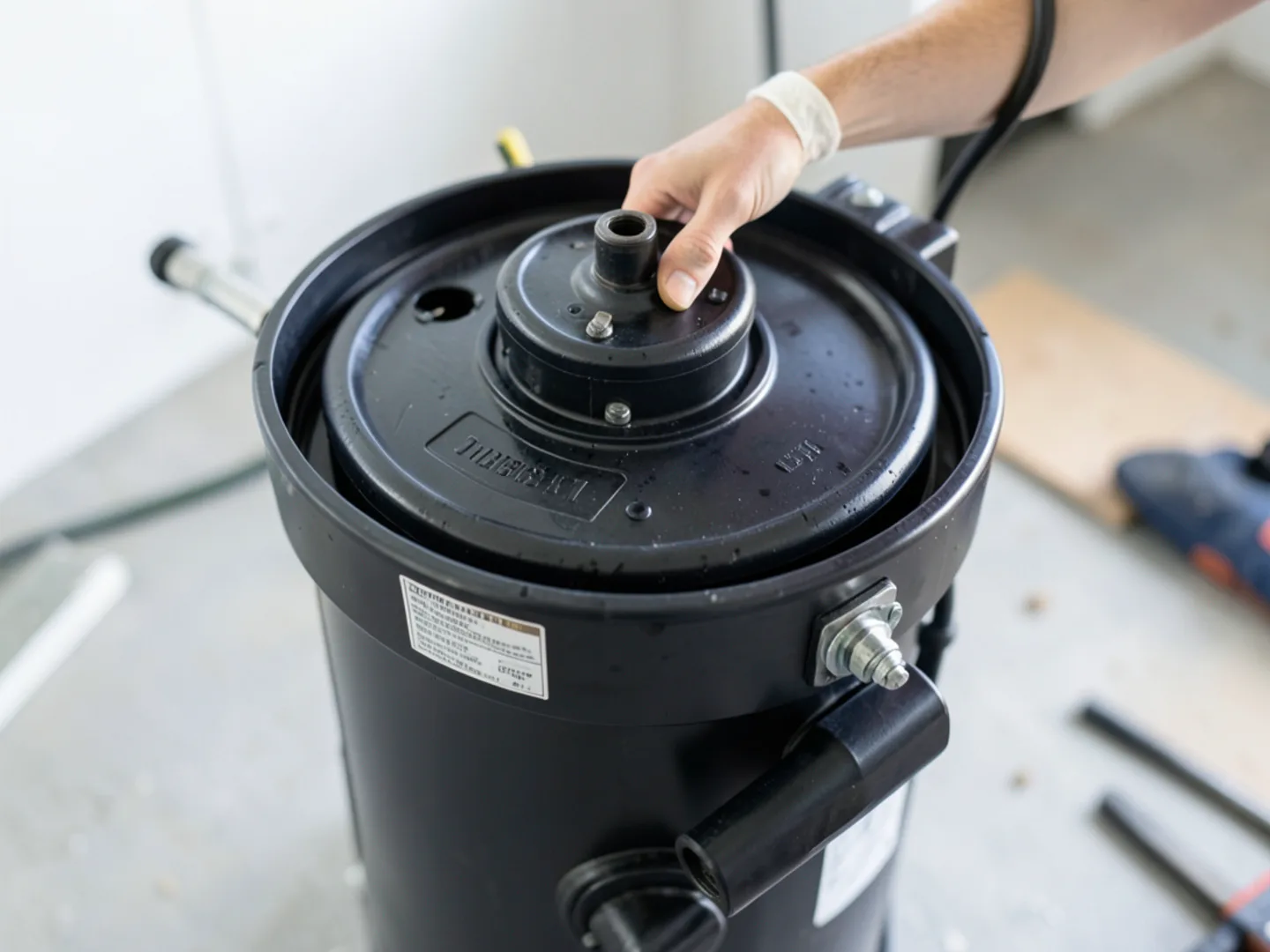
The City of Corona Department of Water and Power (Corona DWP) extracts groundwater from the local Temescal Groundwater Basin and blends it with imported surface water from the Metropolitan Water District. The city annual Consumer Confidence Report documents total water hardness between 12 and 22 grains per gallon (GPG), which the United States Geological Survey classifies as very hard. Without a whole-house water softener, this intense mineral dissolved load precipitates onto hot metal surfaces. Inside water heaters, calcium carbonate builds up a thick calcified sediment crust at the bottom of the tank, causing loud popping noises, reducing energy transfer efficiency by up to 24 percent, and causing premature tank failure within six to eight years. Throughout your living spaces, hard water etches glass shower doors, clogs aerators, strips natural moisture from skin and hair, and ruins expensive matte black and brushed nickel plumbing finishes.
How ion-exchange water softening protects plumbing fixtures
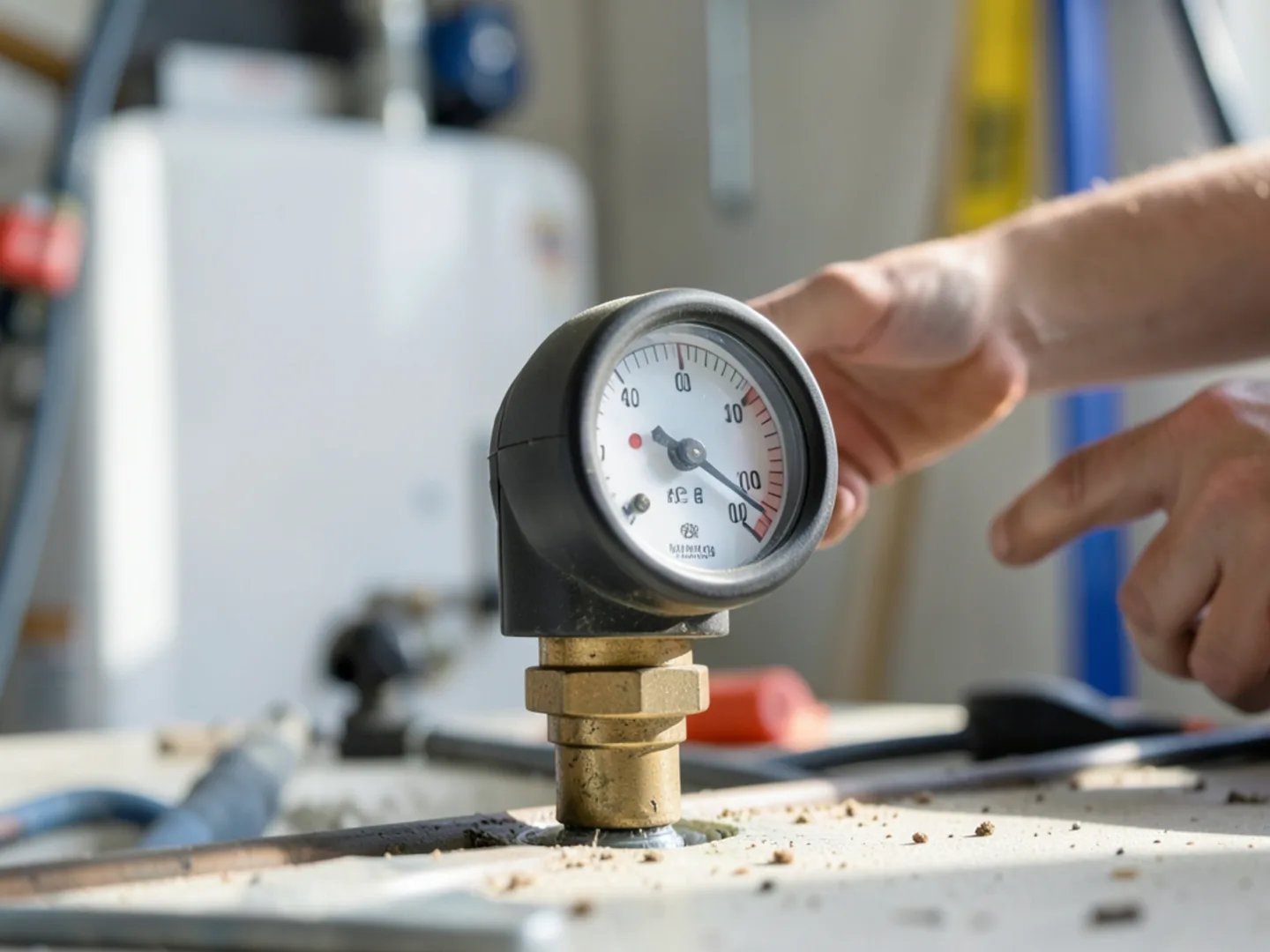
True water softening relies on the proven chemical process of ion exchange. Raw municipal water enters the mineral tank and flows down through millions of microscopic food-grade polystyrene resin beads charged with sodium ions. Because calcium and magnesium ions carry a stronger electrical charge than sodium, the resin beads attract and hold the hard mineral ions while releasing harmless sodium ions into the water stream. By the time water exits the tank and flows into your home domestic supply, 100 percent of the scale-causing minerals have been removed. When the resin bed reaches mineral capacity, the smart metered control valve initiates a regeneration cycle, drawing a concentrated salt brine solution through the resin tank to flush the trapped calcium minerals down the drain and recharge the beads for the next operating cycle.
Accurate capacity sizing for Corona household water volume
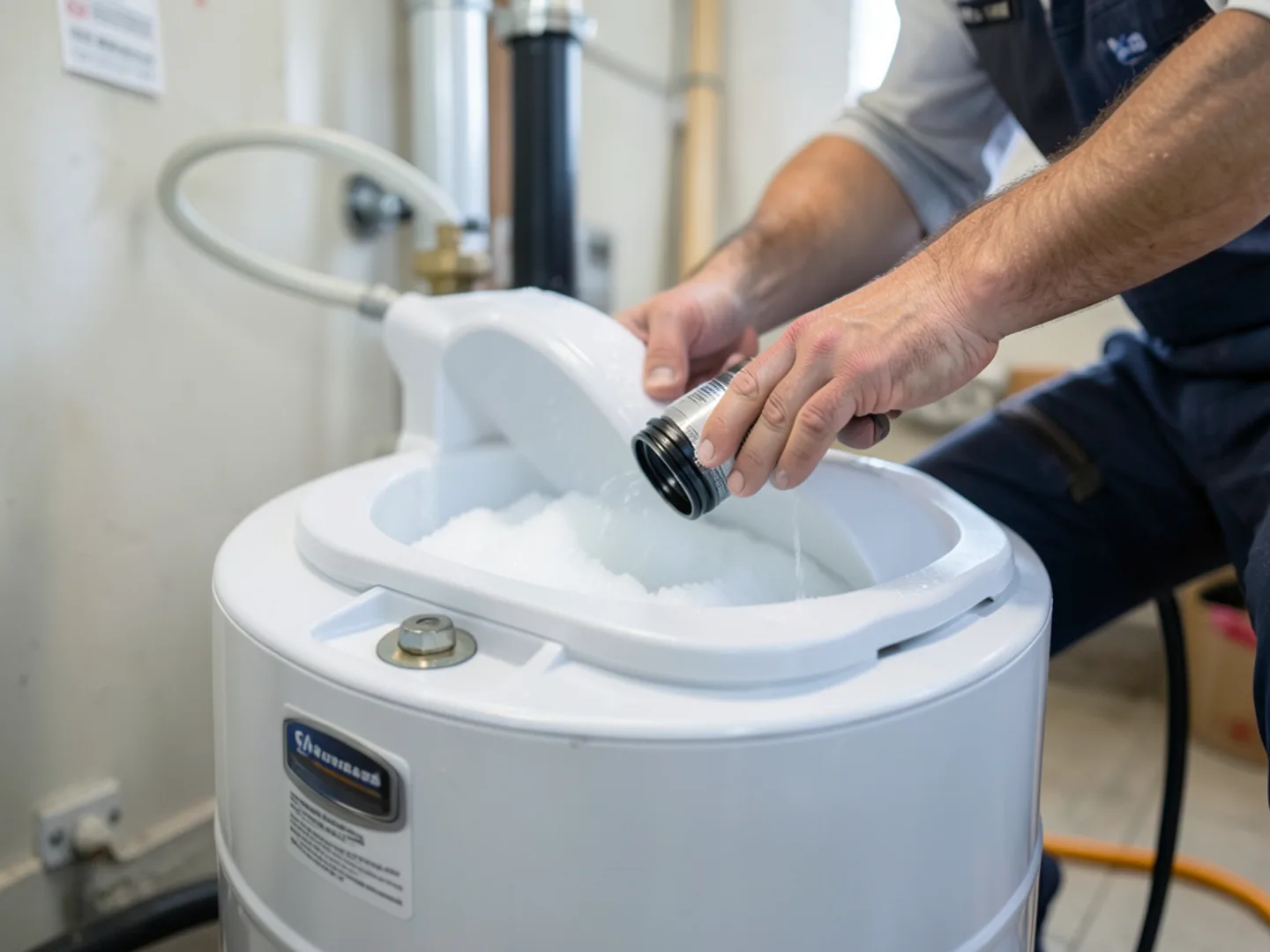
Proper capacity sizing is critical to ensure your water softener runs efficiently without frequent regeneration cycles or premature resin exhaustion. In Corona, sizing begins with the local mineral baseline of 15 to 18 grains per gallon. Our technicians calculate daily household capacity by multiplying the number of residents by the standard daily consumption of 75 gallons per person, then multiplying by the raw hardness rating. A family of four in Corona consumes approximately 300 gallons daily, generating an operating demand of 5,400 grains per day. Over a standard seven-day regeneration interval, the household requires approximately 38,000 grains of capacity. We typically specify 48,000-grain or 64,000-grain high-efficiency systems. This generous resin volume ensures your family never runs out of soft water during peak weekend laundry and guest usage while minimizing monthly salt and water consumption.
Installing the dedicated loop and isolating exterior irrigation
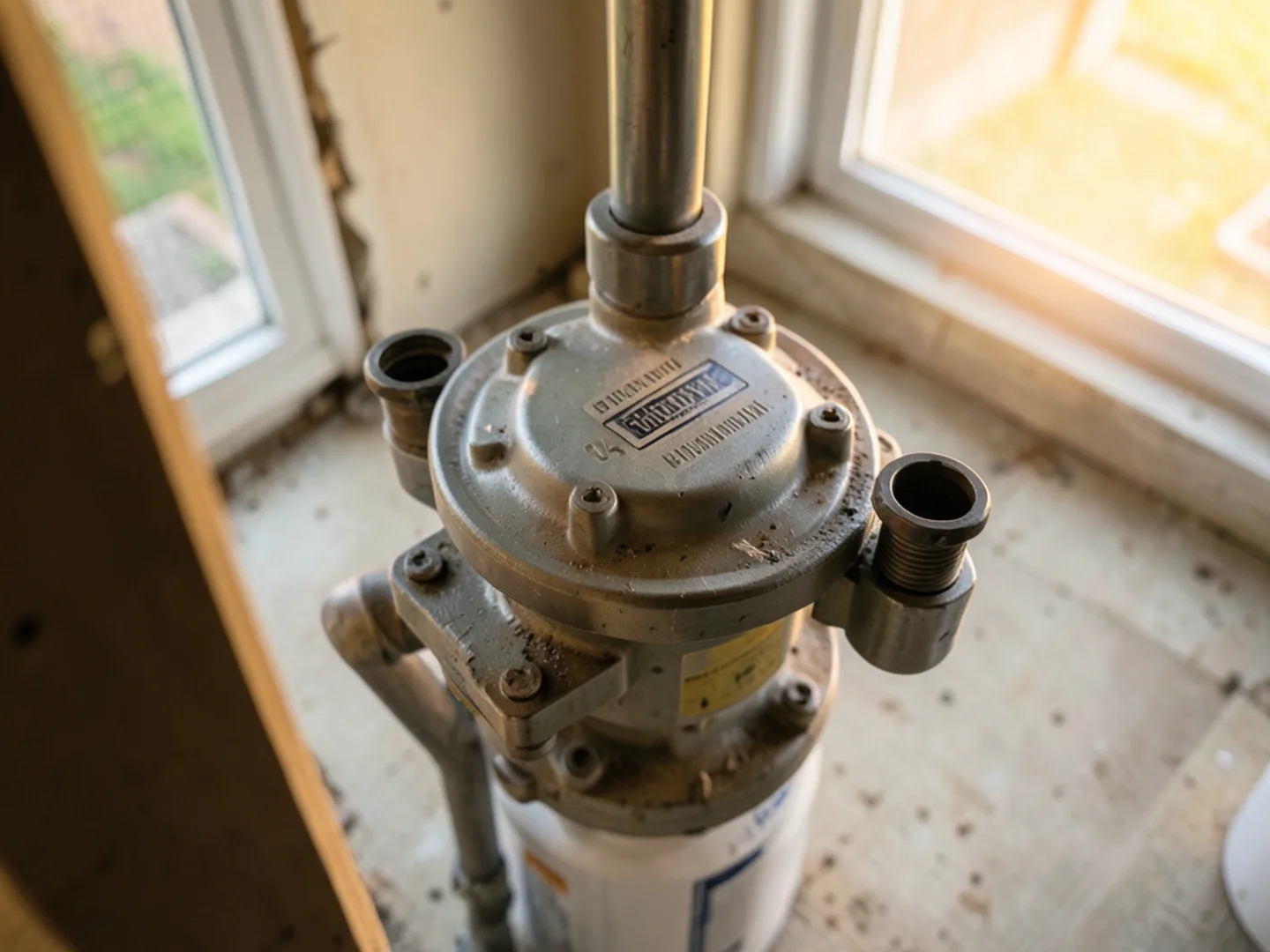
A professional water softener installation requires dedicated plumbing infrastructure. In homes constructed without a pre-plumbed builder loop, our technicians cut into the main cold water supply line inside your garage or mechanical closet to create a dedicated softening circuit. We install a three-valve bypass manifold using lead-free brass ball valves, allowing you to bypass the softener for landscape maintenance or service without interrupting water supply to the house. Crucially, we isolate your front and backyard hose bibs, pool fill lines, and automated sprinkler valves from the softened line. Softened water contains trace sodium that can harm lawns, citrus trees, and decorative plants, and running softened water through sprinklers wastes expensive salt needlessly. Every line connection is hard-piped with soldered Type L copper or Uponor PEX-a piping for dependable, leak-free performance.
Step by step water softener installation process
Our technicians complete your water softener installation through an exacting five-stage mechanical process: Stage 1: Water Chemistry Verification and Site Layout. We perform on-site water testing and select a protected garage location near the main domestic riser, an unswitched 120-volt electrical outlet, and an approved drain receptor. Stage 2: Manifold Fabrication. We cut into the main cold supply line and solder a commercial-grade three-valve bypass manifold to provide complete mechanical isolation. Stage 3: Equipment Assembly and Media Placement. We position the heavy-duty polyethylene brine tank and resin tank, loading 10 percent cross-linked chlorine-resistant cation resin built to withstand Corona treated municipal water. Stage 4: Drain and Air Gap Termination. Per California Plumbing Code Section 801, we run rigid discharge piping from the control valve to a dedicated drain standpipe, incorporating an approved physical air gap fitting to prevent any possibility of wastewater siphoning back into your potable water. Stage 5: Calibration and Commissioning. We load the brine tank with premium solar salt crystals, initiate a manual regeneration cycle to purge air, program the digital controller with your home hardness metrics, and verify zero residual hardness using field chemical test strips.
California efficiency regulations and municipal code compliance
Residential water softeners installed in California are governed by strict efficiency standards outlined in California Health and Safety Code Section 116786. State law mandates that all newly installed residential self-regenerating water softeners must be certified by an independent testing laboratory to achieve a salt efficiency rating of at least 4,000 grains of hardness removed per pound of salt used during regeneration. Systems must also incorporate demand-initiated regeneration (DIR) controls that measure actual water volume rather than relying on crude mechanical timers. Our C-36 licensed plumbing contractors install only certified high-efficiency systems that satisfy state regulations and comply with City of Corona Building Division codes, ensuring legal operation and maximum environmental conservation.
Cost variables for water softener installation in Corona
The investment required for a professional water softener installation in Corona depends on three primary factors: First is the capacity and efficiency rating of the equipment: premium 48,000-grain to 64,000-grain metered systems with high-efficiency 10 percent cross-linked resin carry a higher equipment investment than basic timer-based units, but save hundreds of dollars annually in salt and water usage. Second is the existing plumbing infrastructure: homes equipped with a pre-plumbed builder loop require straightforward equipment hookups, whereas older properties requiring a custom garage loop, drain standpipe installation, or electrical outlet addition involve additional rough plumbing labor. Third are optional filtration upgrades, such as adding a catalytic carbon backwashing filter ahead of the softener to remove chlorine and chloramines, extending the life of the resin bed. We provide clear, itemized written estimates before beginning any work.
Why choose Corona CA Plumbing for your water treatment system
Based at 685 E Grand Blvd in Corona, our technicians understand the severe mineral challenges of Western Riverside County water firsthand. We do not sell generic one-size-fits-all department store units made with cheap plastic parts. We custom-configure commercial-grade water softeners built with heavy-gauge fiberglass mineral tanks, durable metered control heads, and chlorine-resistant resin media. Our service vehicles arrive fully stocked with bypass valves, Type L copper, and salt supplies, allowing our licensed technicians to complete your installation in a single professional visit.
Need plumbing service in Corona or surrounding communities?
Our central dispatch is stationed on East Grand Boulevard. Whether you are dealing with an urgent leak in South Corona, need sewer diagnostics in Norco, or require water heater replacement in Eastvale, our licensed technicians arrive prepared with complete equipment rigs. Read more about our overall plumber in Corona CA services, or contact our shop at (207) 419-2600.