
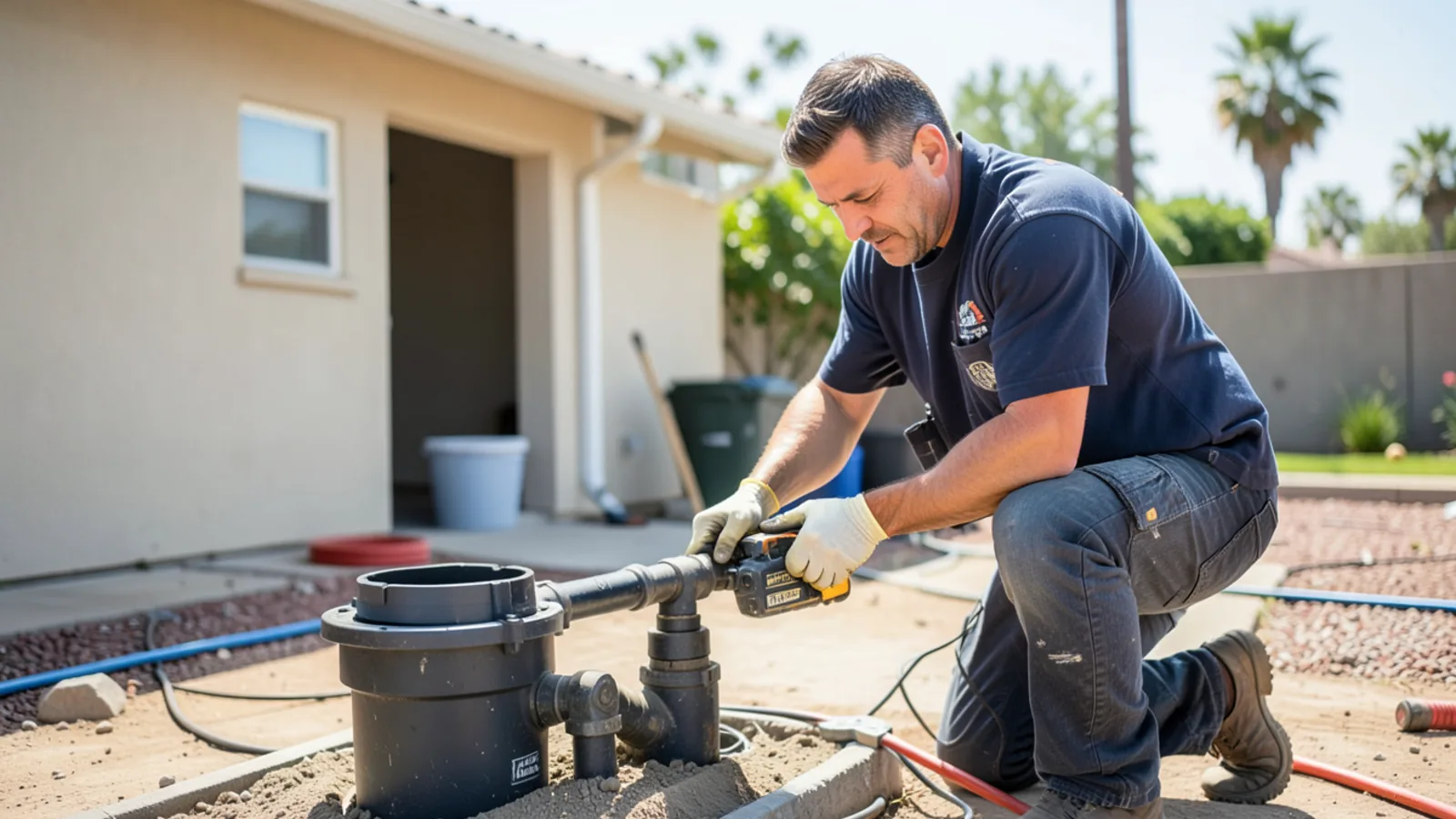
What our sump pump repair and installation service includes
When groundwater runoff or surface flooding threatens subterranean living spaces, an engineered sump pump system provides essential property protection. Operating from 685 E Grand Blvd, our licensed C-36 plumbing contractors provide emergency diagnostics, mechanical pump replacements, and redundant backup systems across Corona. Every service visit includes: (1) Rapid emergency intake and basin dewatering for flooded equipment pits; (2) Amp-draw and winding resistance testing on electric pump motors; (3) Replacement of stuck or calcified vertical float switches; (4) Installation of commercial-grade cast-iron submersible pumps from Zoeller and Liberty Pumps; (5) Spring-loaded quiet-closing check valve installations that eliminate hydraulic water hammer; (6) Dual-pump secondary DC battery backup system integration with smart monitoring alarms; (7) Heavy-gauge polyethylene basin installation with sealed, gastight covers; (8) California Plumbing Code Chapter 11 storm drainage compliance verification.
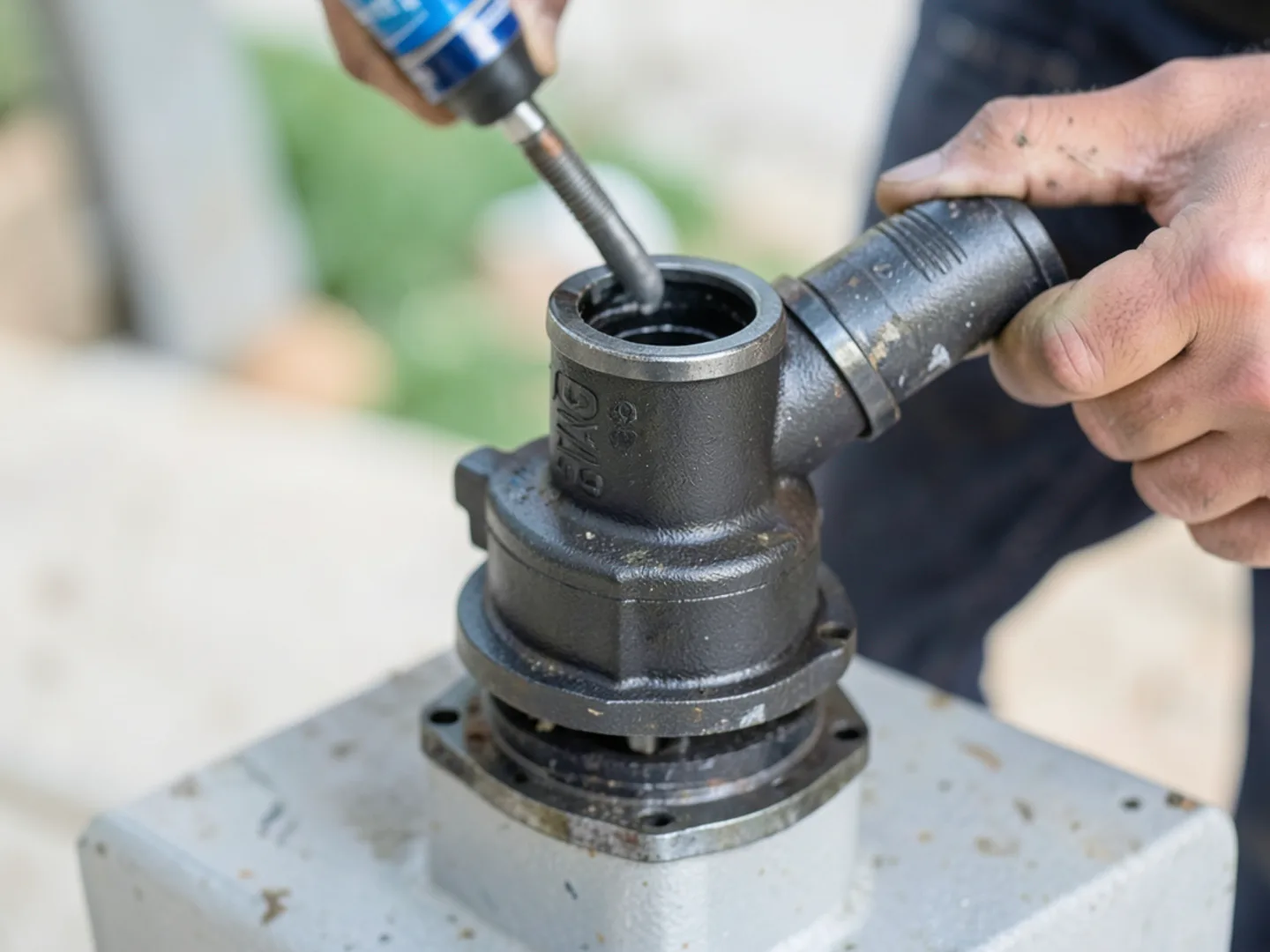
Where sump pumps are utilized across Corona and hillside developments
While flat tract developments across central Corona utilize standard slab-on-grade construction, sump pumps protect critical structures in several distinct local environments: First, hillside residences constructed throughout Sierra del Oro, Corona Hills, and South Corona (along Cleveland Avenue and Foothill Parkway) feature extensive retaining walls carved into steep mountain slopes. Subterranean French drains collect hillside groundwater aquifers, channeling water into exterior collection pits that require mechanical pumping away from foundations. Second, historic homes surrounding the downtown Grand Boulevard circle frequently feature partial basements, root cellars, and sunken mechanical rooms that sit below the water table during wet seasons. Third, commercial properties, subterranean parking structures, loading docks, and residential elevator pits rely on sump pumps to prevent catastrophic flooding during heavy atmospheric river storms.
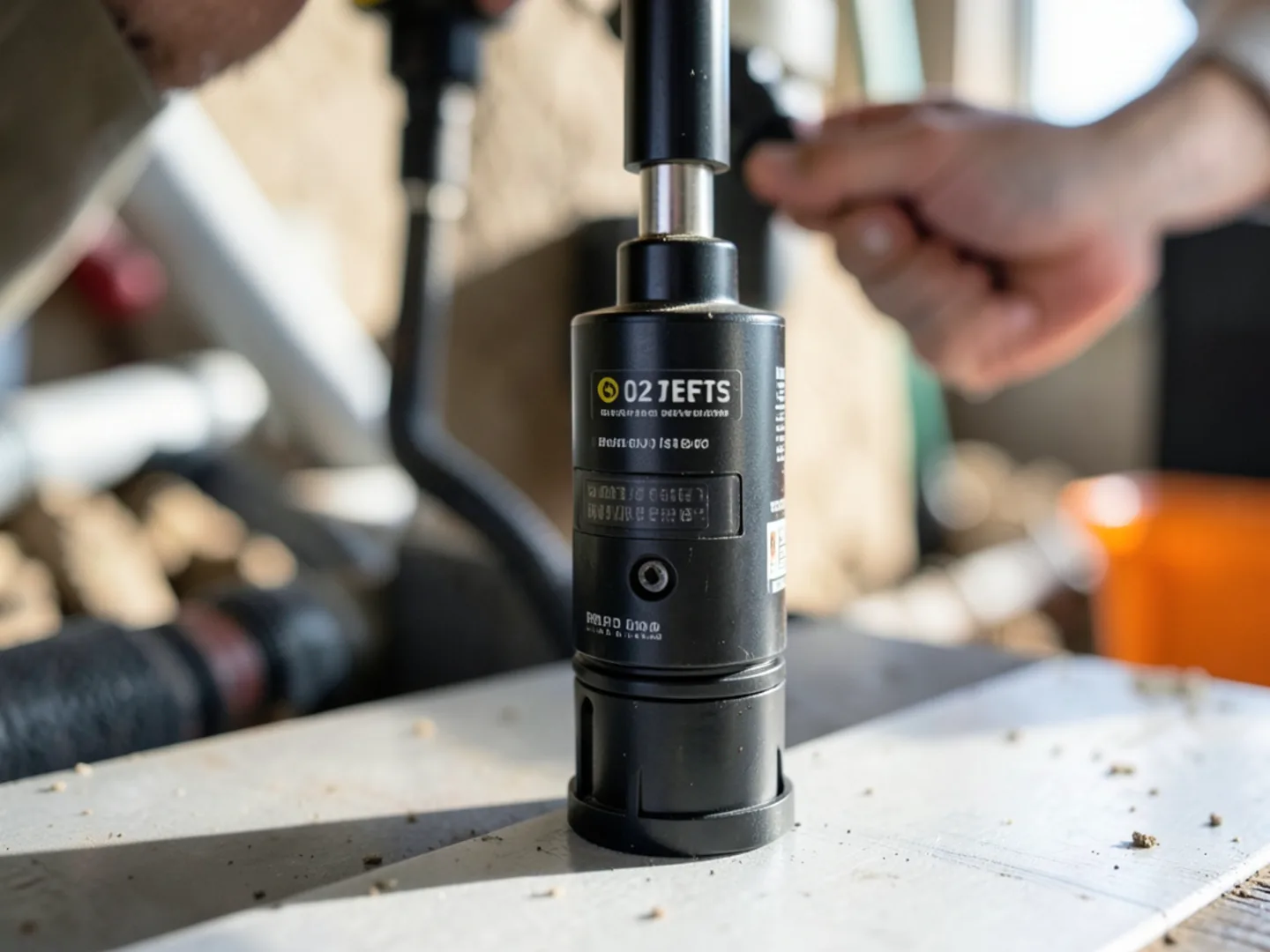
Common sump pump failure modes during winter storm events
Sump pumps often sit dry during long, scorching Inland Empire summers, only to fail at the peak of winter storm season. The most frequent mechanical failure points include: (1) Float Switch Seizure: Mineral crusts from hard groundwater (12 to 22 GPG) and pit silt coat the vertical float rod, locking the switch in the off position while water overtops the basin. (2) Check Valve Failure: A worn rubber flapper allows pumped water in the vertical discharge pipe to drain straight back into the pit, triggering the pump to cycle continuously until the motor overheats and burns out. (3) Airlocking: If water drains completely and refills rapidly, an air bubble can trap inside the impeller housing, preventing the pump from moving water despite the motor running. (4) Grid Power Outages: Winter storms that cause flash flooding frequently knock out overhead electrical power lines, completely disabling single-pump AC systems.
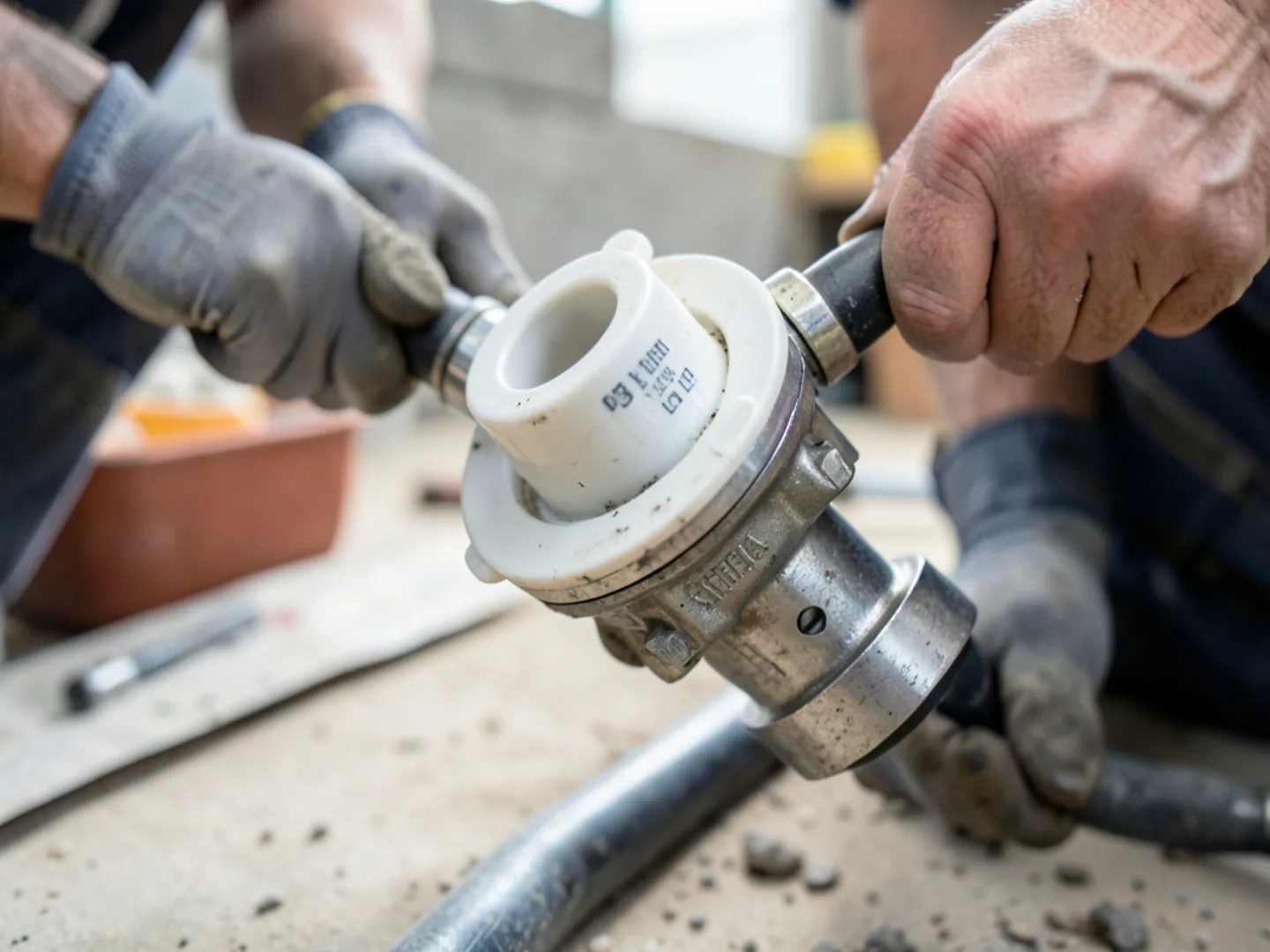
Commercial cast iron submersible pumps versus lightweight plastic hardware units
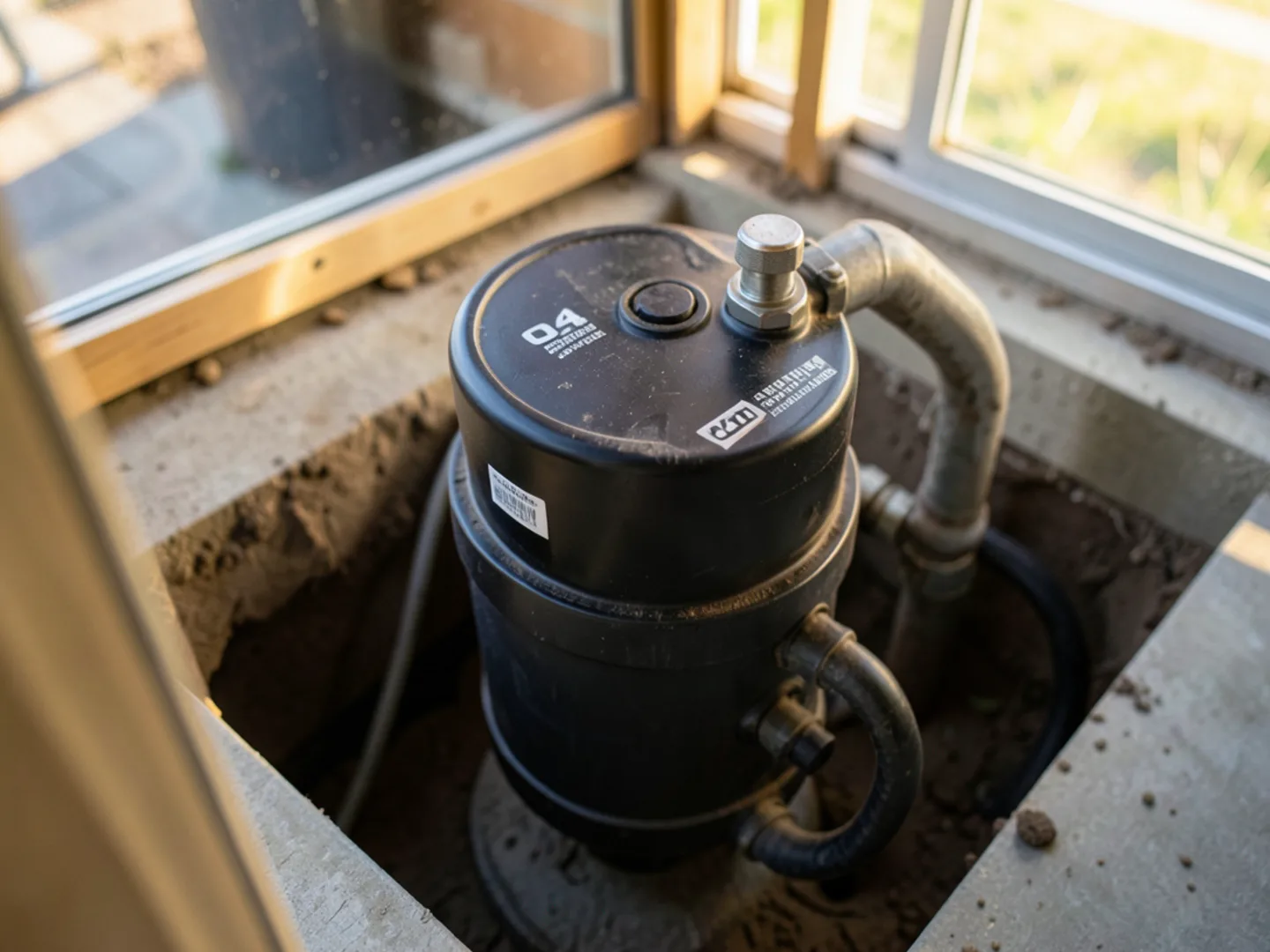
Big-box retail stores sell lightweight thermoplastic or plastic pedestal pumps that quickly fail under continuous storm demand. Our technicians exclusively install professional-grade Zoeller and Liberty cast-iron submersible pumps (ranging from 1/3-horsepower up to 3/4-horsepower). Heavy cast iron acts as a thermal heat sink, dissipating motor heat directly into surrounding water to permit continuous multi-hour pumping without thermal limiter shutdowns. These commercial units feature vortex impellers capable of passing half-inch spherical solids without jamming, oil-filled hermetically sealed motor chambers, and stainless steel fasteners that resist corrosive groundwater chemistry for decades.
Battery backup systems and dual-pump redundancy protection
A primary electric sump pump is completely defenseless against utility power outages during major storm events. For finished basements, subterranean garages, and critical commercial pits, our team installs dual-pump redundant systems. We mount an auxiliary 12-volt DC emergency pump slightly above the primary AC unit, connected to heavy deep-cycle AGM marine batteries and an intelligent microprocessor charger. If electrical power fails or the primary pump fails, the secondary battery-operated pump engages automatically, moving up to 2,500 gallons per hour for up to 48 hours while sounding an audible warning alarm.
Our five-step sump pump diagnostic and installation workflow
To guarantee complete flood protection before rainy weather strikes, our technicians follow a systematic five-step installation and replacement process: Step 1: Rapid Pit Dewatering and Debris Cleanout. We pump out residual stagnant water using mobile submersible extraction pumps and scoop out accumulated silt, gravel, and construction debris from the basin floor. Step 2: Total Dynamic Head Sizing. We measure vertical lift from the basin bottom to the exterior discharge point plus equivalent friction losses across 90-degree elbows, selecting the exact motor curve (typically 1/3 HP Zoeller M53 rated at 34 GPM at 10-ft head or 1/2 HP Zoeller M98 rated at 61 GPM at 10-ft head). Step 3: Mechanical Basin and Discharge Assembly. We install the new cast-iron pump on an elevated basin stand to prevent silt ingestion, assemble rigid Schedule 40 PVC piping, and drill a 3/16-inch downward-angled weep hole between the pump volute and the check valve to prevent airlocking. Step 4: Float Switch and Backup Calibration. We set the primary mechanical vertical float switch and position the secondary battery-backup float switch 3 inches above the primary activation level. Step 5: Full Hydraulic Testing and Amp Draw Verification. We fill the basin with water, verify instantaneous motor ignition, confirm vibration-free quiet check valve shutoff, and test simulated utility power failure to ensure automatic battery-backup transfer.
Discharge line engineering and quiet check valve installation
A sump pump's true pumping capacity depends on total dynamic head (TDH): the vertical height water must be lifted plus frictional resistance through horizontal piping. Our technicians assemble rigid Schedule 40 PVC discharge lines with gentle long-sweep elbows. Directly above the pump, we install a specialized spring-loaded quiet check valve (such as the Zoeller Quiet Check), which uses a soft-closing elastomeric flapper to prevent the jarring hydraulic bang that shakes home framing when standard flapper valves slam shut. Outside the home, we route discharge lines through gravity-flow air gaps into dedicated yard drainage swales, safely away from foundation footings.
California plumbing code standards and Corona municipal regulations
All sump pump installations and drainage alterations in Corona must comply strictly with California Plumbing Code (CPC) Title 24 Part 5, Chapter 7 and Chapter 11 (Storm Drainage). CPC regulations strictly prohibit discharging groundwater, storm runoff, or sump pump effluent into the municipal sanitary sewer system, which can overwhelm municipal treatment plants during rain events. Sump pump discharge must be routed to approved surface drainage courses, street gutters, or dedicated municipal storm channels. Furthermore, pits installed inside residential buildings must be equipped with sealed gastight covers and dedicated vents to prevent subterranean odors from entering living quarters.
Specialized pumping equipment carried on our mobile service fleet
Responding to flooded basins requires commercial dewatering machinery. Our mobile service trucks dispatched from 685 E Grand Blvd carry high-flow electric submersible trash pumps for rapid emergency extraction, Fluke digital clamp meters for testing motor running amperage, and specialized pit cleaning tools. We maintain rolling inventories of Zoeller M53 and M98 cast-iron pumps, deep-cycle AGM battery backup systems, 1.5-inch quiet check valves, and Schedule 40 PVC fittings to resolve any storm drainage emergency promptly.
Need plumbing service in Corona or surrounding communities?
Our central dispatch is stationed on East Grand Boulevard. Whether you are dealing with an urgent leak in South Corona, need sewer diagnostics in Norco, or require water heater replacement in Eastvale, our licensed technicians arrive prepared with complete equipment rigs. Read more about our overall plumber in Corona CA services, or contact our shop at (207) 419-2600.